
Aruba Packing List From a Host Who Sees the Gaps
Aruba packing list from a local host: the reef safe sunscreen law, rash guards, water shoes, plug adapters for Dutch guests, cash and what the homes provide.
 By Ghislaine de Windt, your host in Noord · 5 min read · Updated October 2026
An Aruba packing list written by someone who sees what guests forgot. Ghislaine cleans and restocks our four homes between stays, and the pattern is consistent: people bring three pairs of shoes they never wear and no water shoes, five sunscreens that are illegal here, and a hairdryer that already sits in the bathroom. Here is the list, with the reasons, and a note on what our homes already have so you can leave it at home.
The one rule: reef safe sunscreen
Since 2020 Aruba bans the import and sale of sunscreens containing oxybenzone, the chemical that damages coral. In practice, bring a mineral sunscreen based on zinc oxide or titanium dioxide, SPF 30 or higher, and bring enough for the trip because it is expensive on the island and the shops near the beach run out. A stick for faces, a lotion for bodies, and a lip balm with SPF. The sun here sits almost overhead all year and the wind hides how hot you are getting; day one sunburn is the most common thing we treat with aloe from the fridge.
For the beach
- Two swimsuits. One is always wet.
- A rash guard or swim shirt for anyone who will snorkel. Your back is exposed to the sun for an hour at Boca Catalina and sunscreen washes off. For kids it is non negotiable.
- Water shoes. Eagle Beach and Palm Beach are pure sand, but Mangel Halto, Baby Beach’s rocky edges, Tres Trapi’s steps and Boca Catalina’s entry all have rock and coral. A cheap pair saves a holiday.
- Your own snorkel mask if you have one. We keep a few sets, but a mask that fits your face is worth the space, and the rental ones at the beach bars are tired.
- A hat with a strap or a cap. The trade wind blows at 20 to 30 km/h most afternoons and loose hats end up in the sea.
- Polarized sunglasses. The glare off white sand and clear water is severe.
- A dry bag or zip pouch for phone and car key on the beach, and a small padlock if you like.
- A sarong or light cover up for the walk to the beach bar.
What you can leave: beach towels, umbrellas, chairs and a cooler. All four homes have them for guests; the car rental firms do not supply them and the beach vendors charge $10 to $15 a day.
Clothes
Less than you think. Aruba is 28 to 32 degrees Celsius every day of the year and almost nobody dresses up. Shorts, light shirts, sandals and one pair of sneakers for Arikok cover 95 percent of it. Add:
- One light long sleeve layer. Restaurants and the airport run the air conditioning hard, and the Faro Blanco terrace at sunset is windy.
- One smarter outfit per person if you have booked Passions on the Beach or Flying Fishbone, which means a linen shirt, not a jacket. No restaurant on the island requires more.
- Closed shoes with grip for Arikok National Park, the Natural Pool and the north coast walks. Flip flops on the lava rock are how people get hurt here.
- A light rain jacket only between October and December, and you will probably not use it.
- Laundry: all our homes have a washer, so a week’s trip needs four days of clothes.
Electronics and plugs
Aruba runs on 127 volts, 60 hertz, with US style sockets, type A and B. Guests from the US and Canada need nothing. Guests from the Netherlands and the rest of Europe need a plug adapter per device and should check the label on anything with a heating element; phone, laptop and camera chargers are almost all dual voltage, hairdryers and straighteners often are not. Our homes have a hairdryer in each bathroom, so leave yours. A power bank for the beach and a waterproof phone pouch for snorkel photos earn their place. The homes have fast wifi and a smart TV; bring your own streaming logins.
Documents and money
- Passport valid for your stay; the US does not require six months for Aruba but your airline may ask. Your home driving licence is enough to rent a car.
- The ED card confirmation and the paid sustainability fee, done online the week before. Our entry rules guide walks through it.
- A credit card that charges no foreign transaction fee, and a second card in a different bag.
- US dollars in small bills: $100 to $200 per couple per week covers bus fares, beach chairs, food trucks, Zeerover and tips. Florins come as change and are fine to spend. There is no reason to change money before you come.
- Travel insurance details, especially between August and November, as our hurricane season guide explains.
- Mobile Passport Control app installed if you are flying home to the US; it shortens the preclearance line.
Health and small things
- Reef safe sunscreen, again, because it is the item people get wrong.
- After sun or aloe. The fridge in each home has a bottle but it goes fast.
- Mosquito repellent for sunset on the terrace, mainly October to January after rain. Aruba has few mosquitoes compared with greener islands, but the ones here come out at dusk.
- Any prescription medicines in their packaging; pharmacies are good but stock different brands.
- Seasickness tablets if you plan the sunset sail or the Antilla snorkel boat and you know you need them.
- A refillable water bottle. The tap water is desalinated and excellent, and single use plastic bottles and bags are restricted on the island.
- Reusable shopping bag for Super Food Plaza, which charges for bags.
- A small first aid kit with plasters for coral scrapes and blister pads for the Arikok hike.
What our homes already have
So you can cut the list: beach towels, bath towels, umbrellas, beach chairs, a cooler, a few snorkel sets, hairdryers, washer and dryer, a full kitchen with coffee machine, basic spices and oil, dish soap and laundry detergent, wifi, air conditioning in every bedroom, on site parking, and a local taxi number on the fridge. Ocean View 2BR adds a balcony over the Palm Beach strip, Oasis Hideaway adds a private pool, the Hideout suites add quiet.
The things people wish they had brought
From ten years of messages: water shoes, a second swimsuit, a rash guard for the kids, a hat that stays on, more sunscreen, a plug adapter for the Dutch half of the family, cash for Zeerover, and sneakers for the Natural Pool. Pack those eight and the rest sorts itself out. For what to do once you are here, start with the 7 day first timer itinerary.
Stay nearby
Every home comes equipped the way this list describes, so you travel light. Ocean View 2BR on the Palm Beach strip, Oasis Hideaway with its pool in Gold Coast near Arashi, and the adults only Hideout Dream Big Suite and Hideout Happiness Suite near Eagle Beach are all at /stays/.
Questions people ask
What sunscreen is allowed in Aruba?
Sunscreen without oxybenzone. Aruba banned the import and sale of oxybenzone sunscreens in 2020 to protect the reef. Mineral sunscreens with zinc oxide or titanium dioxide are the easy choice, and bring them from home because they cost more here.
What plug adapter do I need for Aruba?
Aruba runs on 127 volts and 60 hertz with US style flat two and three pin sockets. Americans and Canadians need nothing. Visitors from Europe and the Netherlands need a plug adapter, and most phone and laptop chargers handle the voltage.
Can you drink the tap water in Aruba?
Yes. Aruba's tap water is desalinated sea water and is clean and safe everywhere on the island. Bring a refillable bottle; single use plastic bottles are restricted here anyway.
Do I need cash in Aruba?
Some. Cards work in supermarkets, restaurants and most shops, but beach chair vendors, food trucks, Zeerover, the bus and tips want cash. US dollars are accepted everywhere, so there is no need to change money.
Stay nearby.
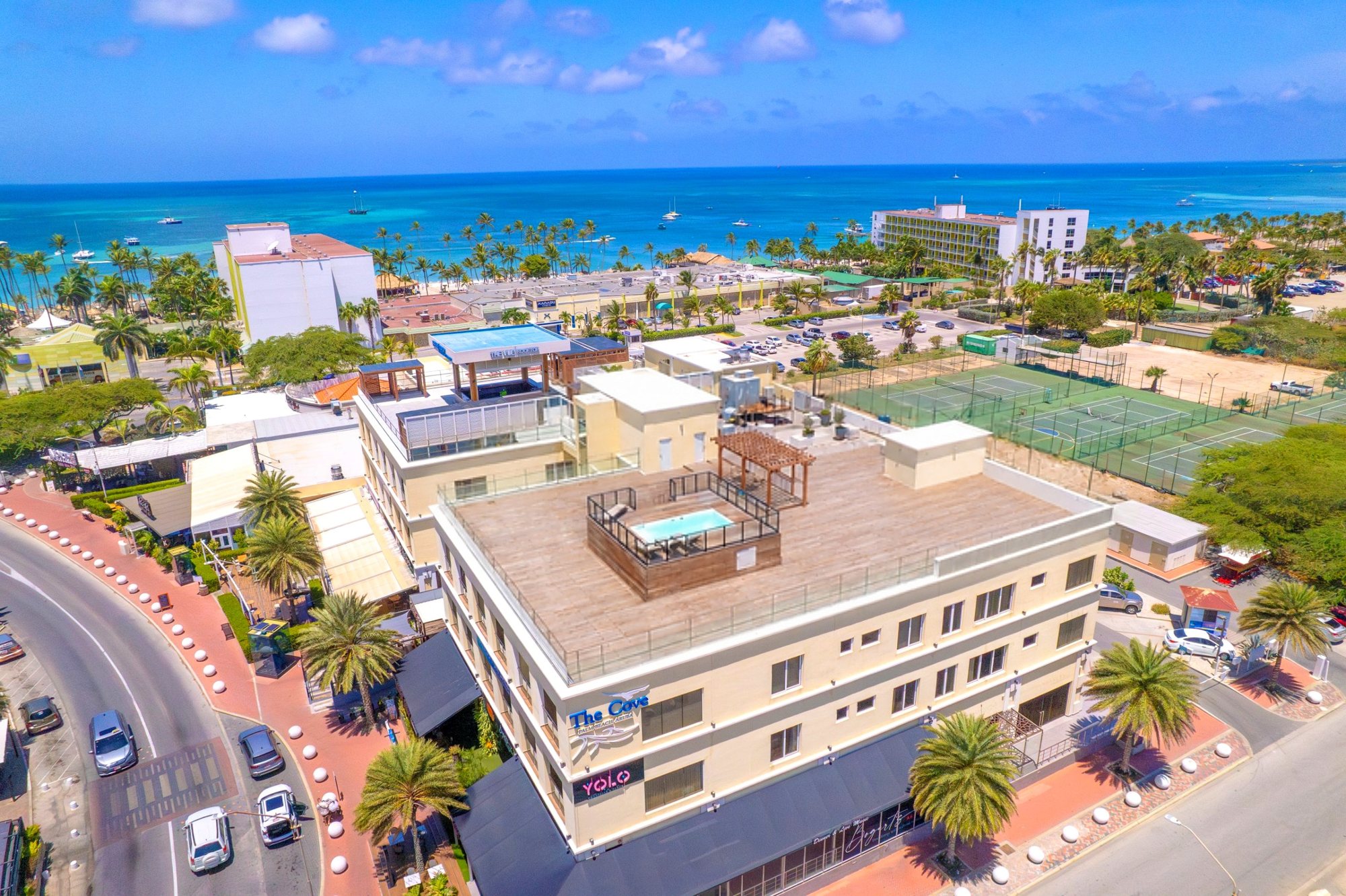
All stays Rooftop pool 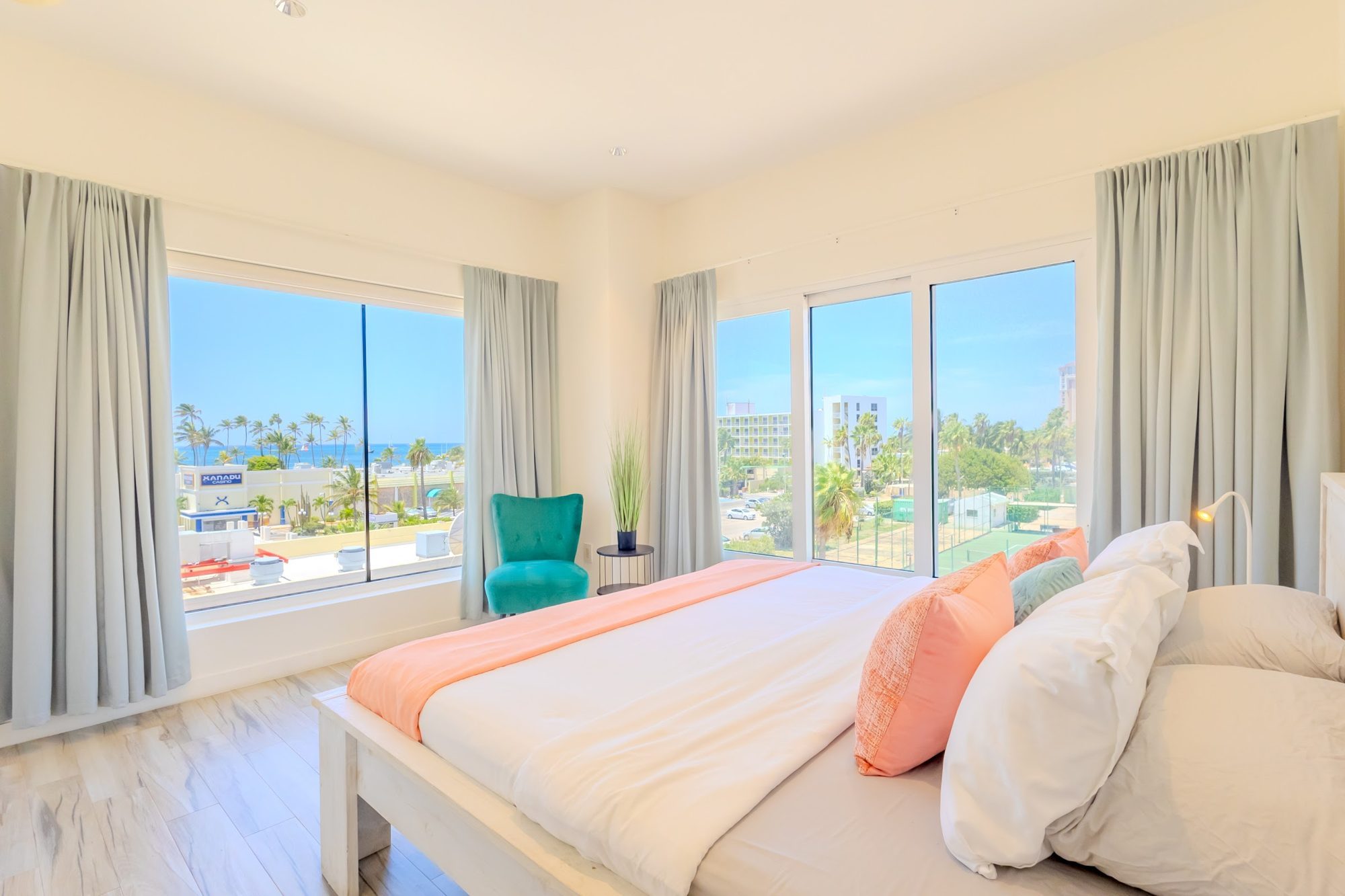
Ocean View 2BR
Sea view from your bed, rooftop pool at The Cove From $210 per night, direct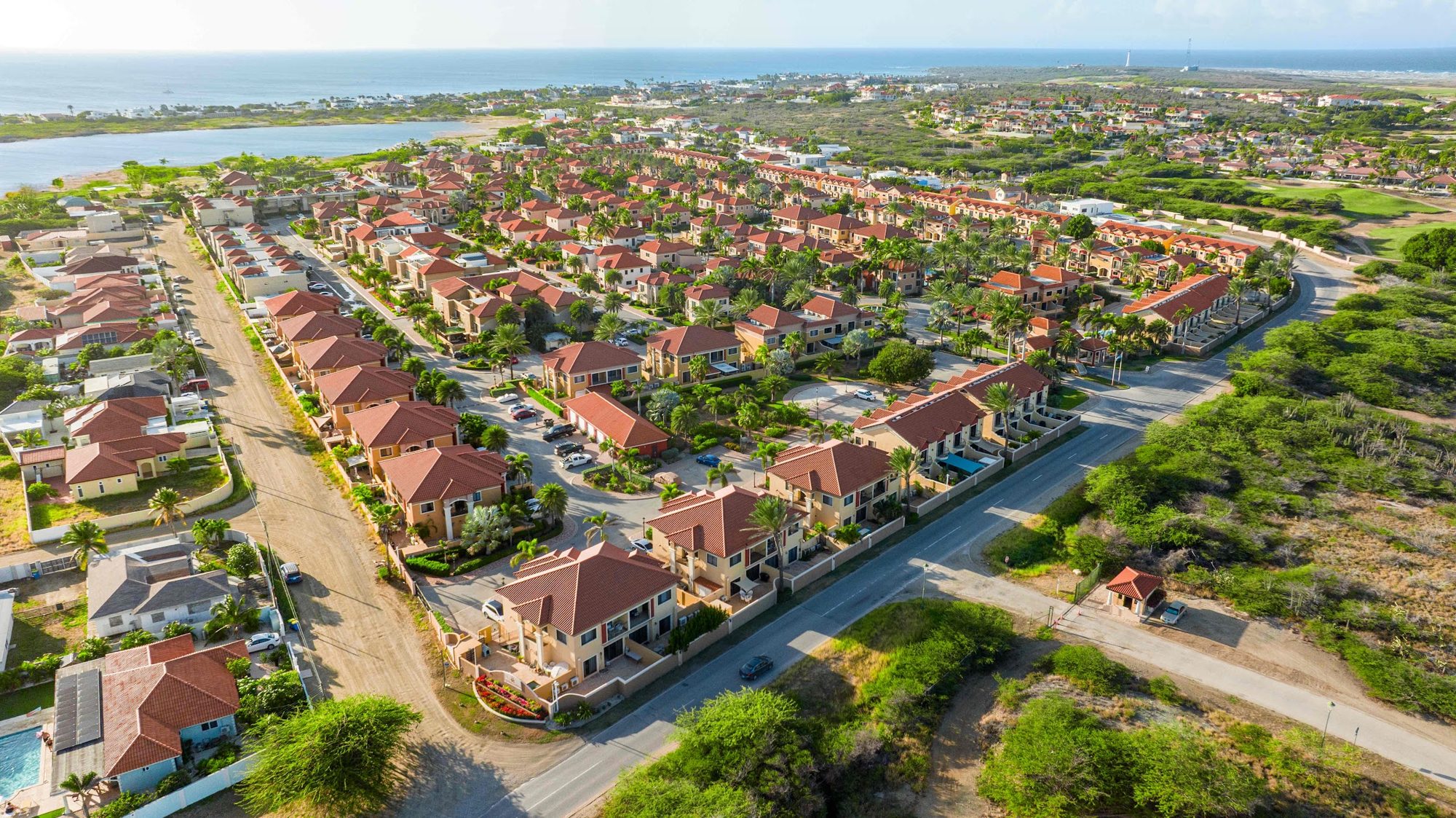 Gated community
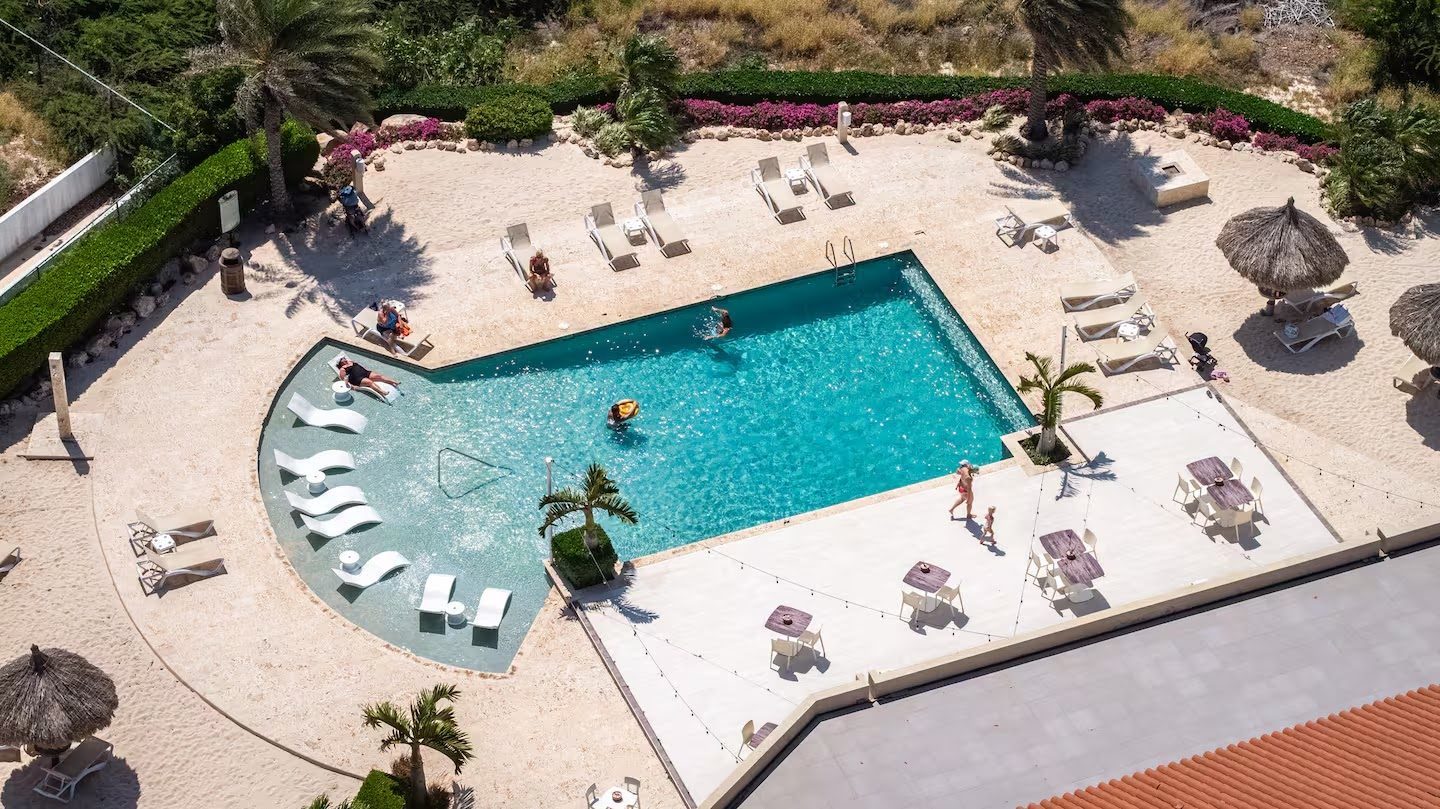
Oasis Hideaway
Three pools, gym and tennis inside the gates From $110 per night, direct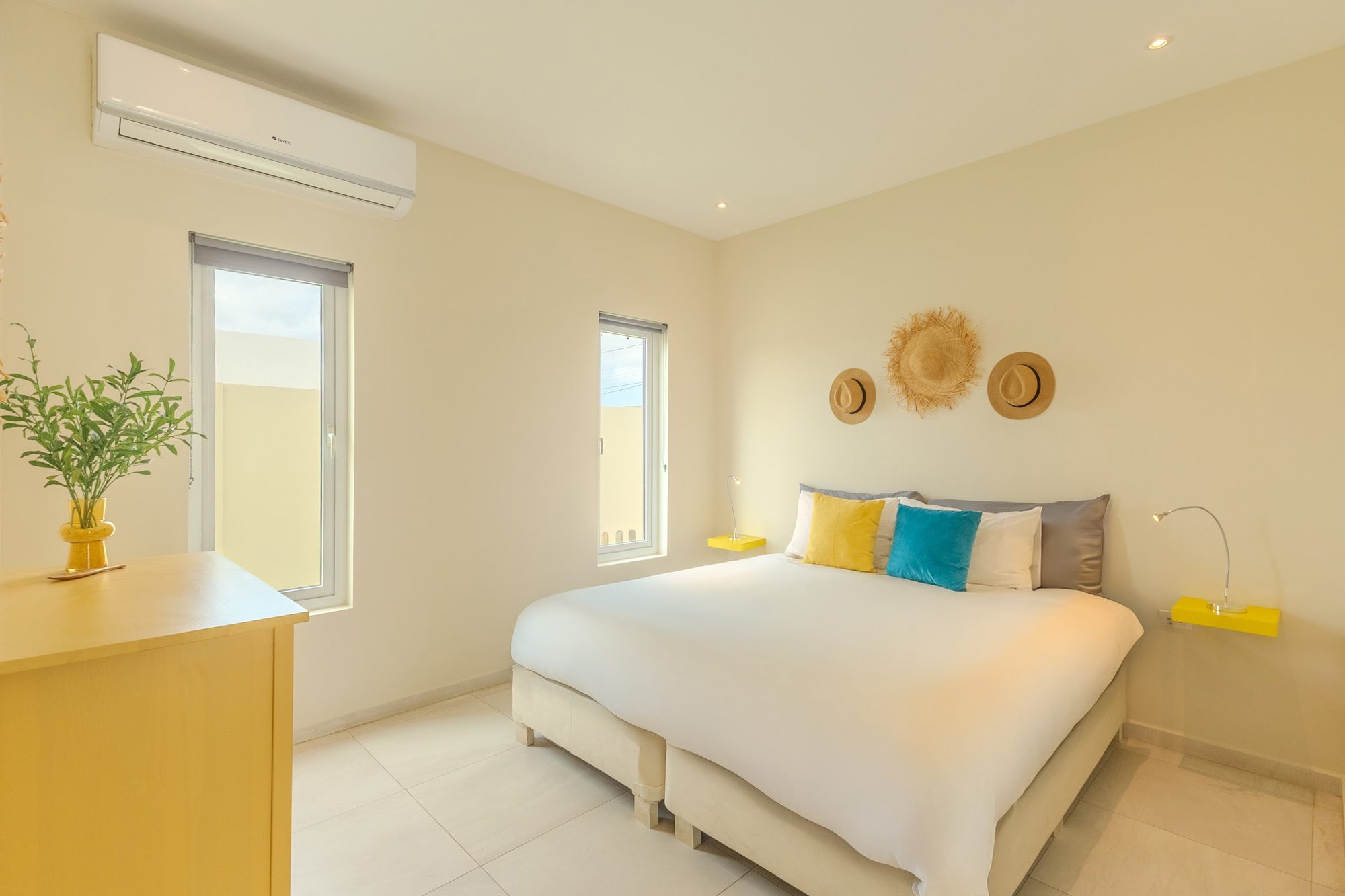 Saltwater pool
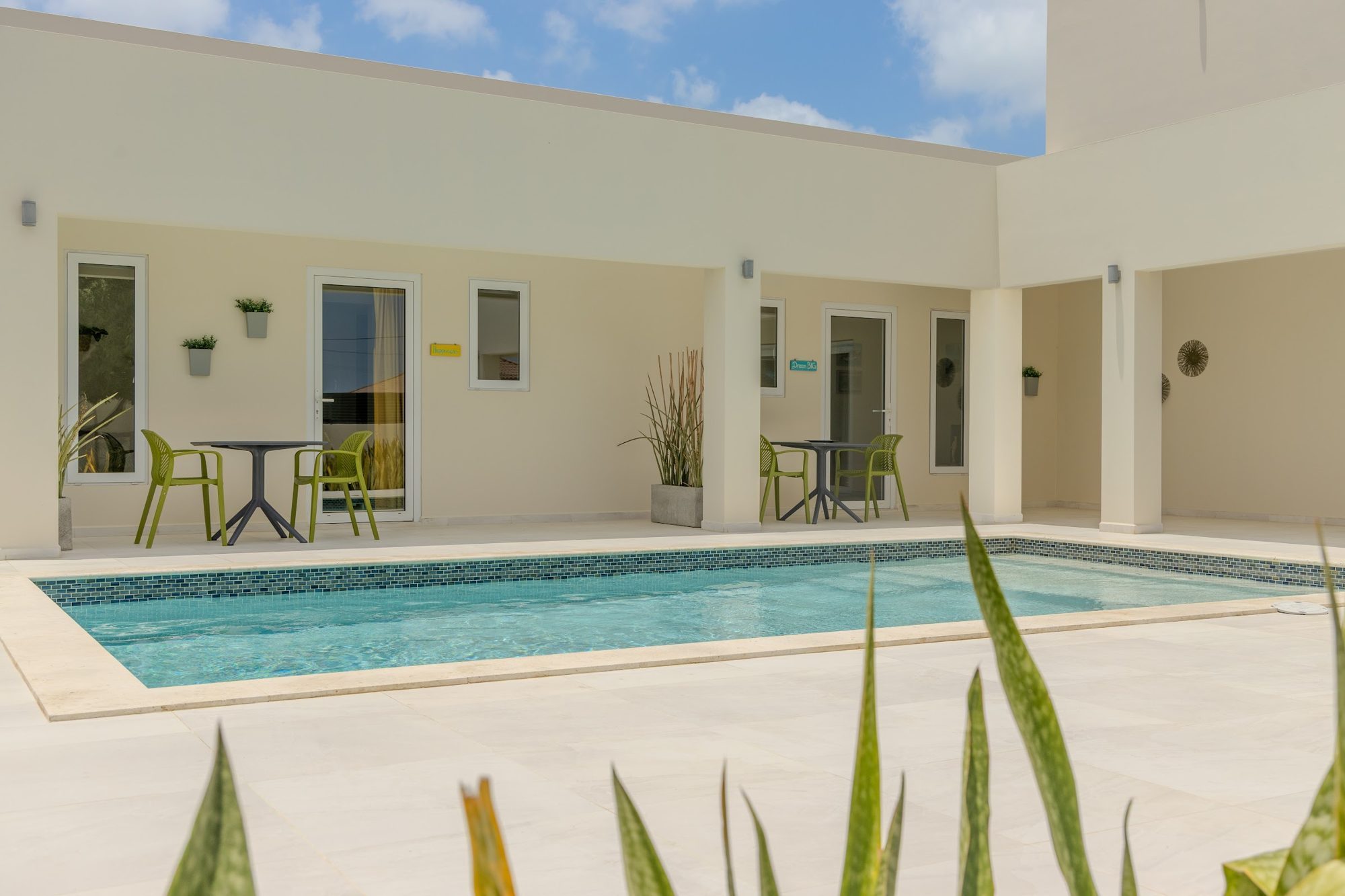
Hideout Dream Big Suite
Adults only, private patio onto the pool garden From $99 per night, direct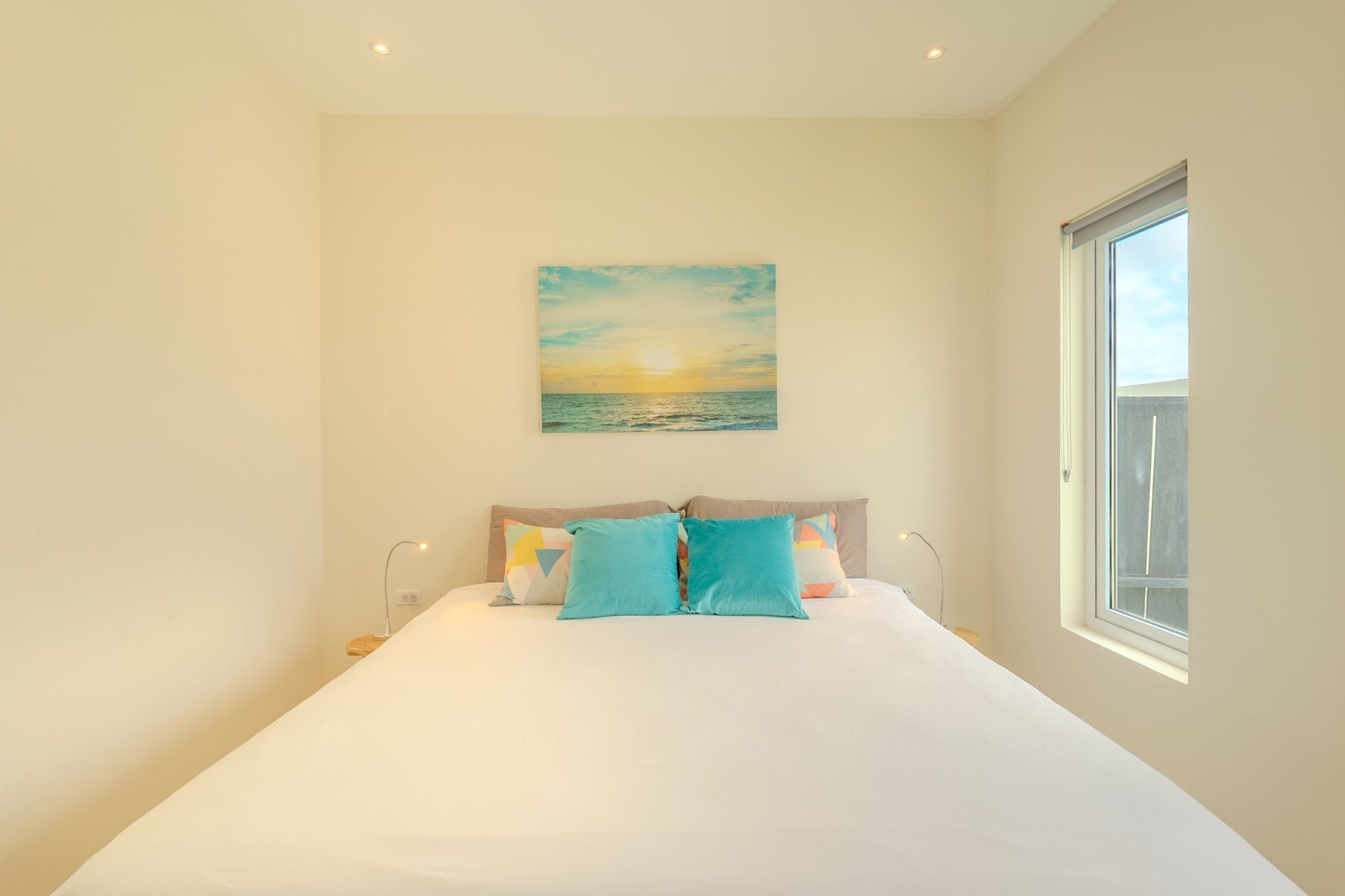 Pool view
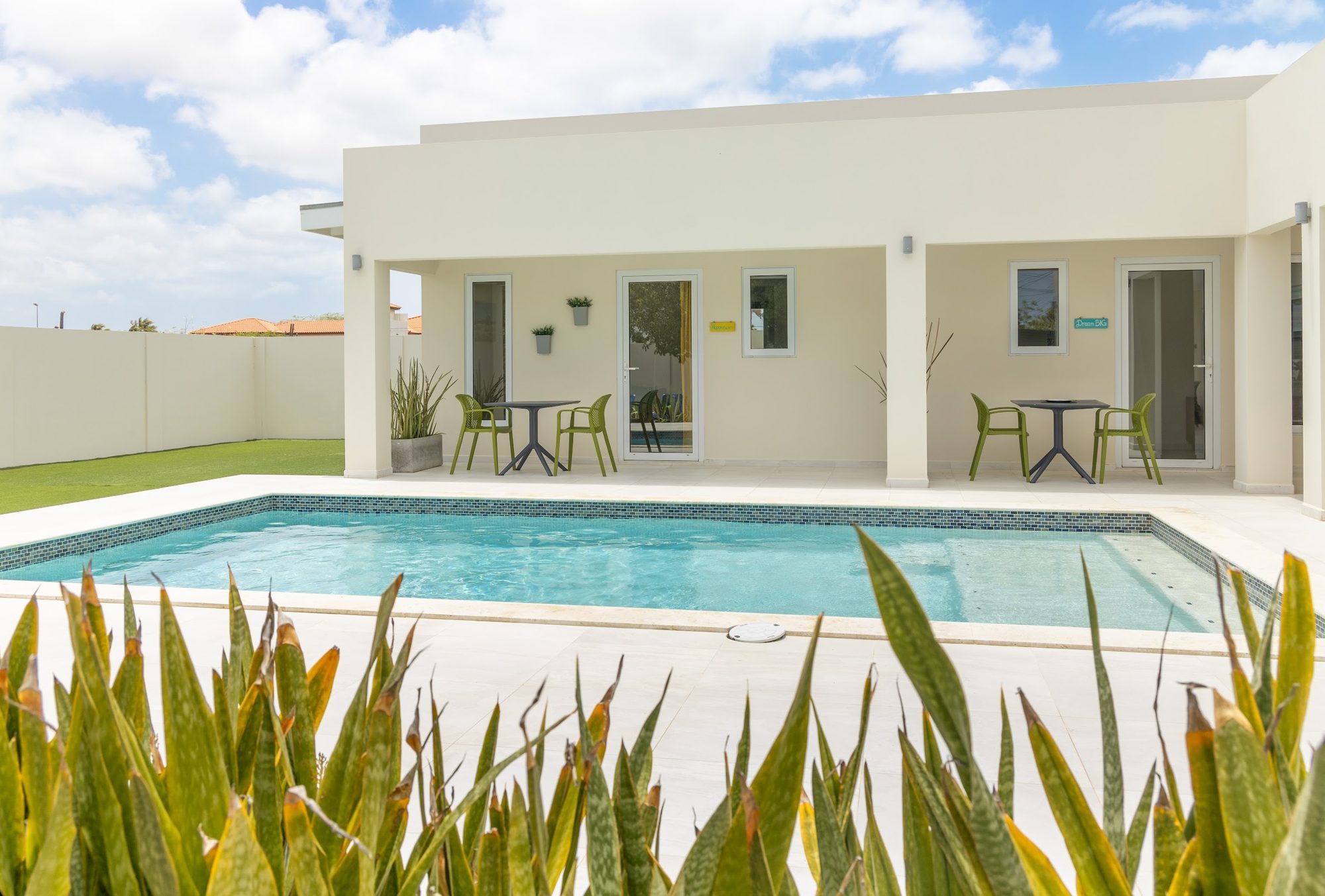
Hideout Happiness Suite
Private patio with pool view From $99 per night, directMore on practical.
Aruba Airport Guide: Arrival, Taxis and US Preclearance
Aruba airport explained by a local host: arrival timing, official taxi rates to Palm Beach and Eagle Beach, rental desks, and why US flights need three hours.
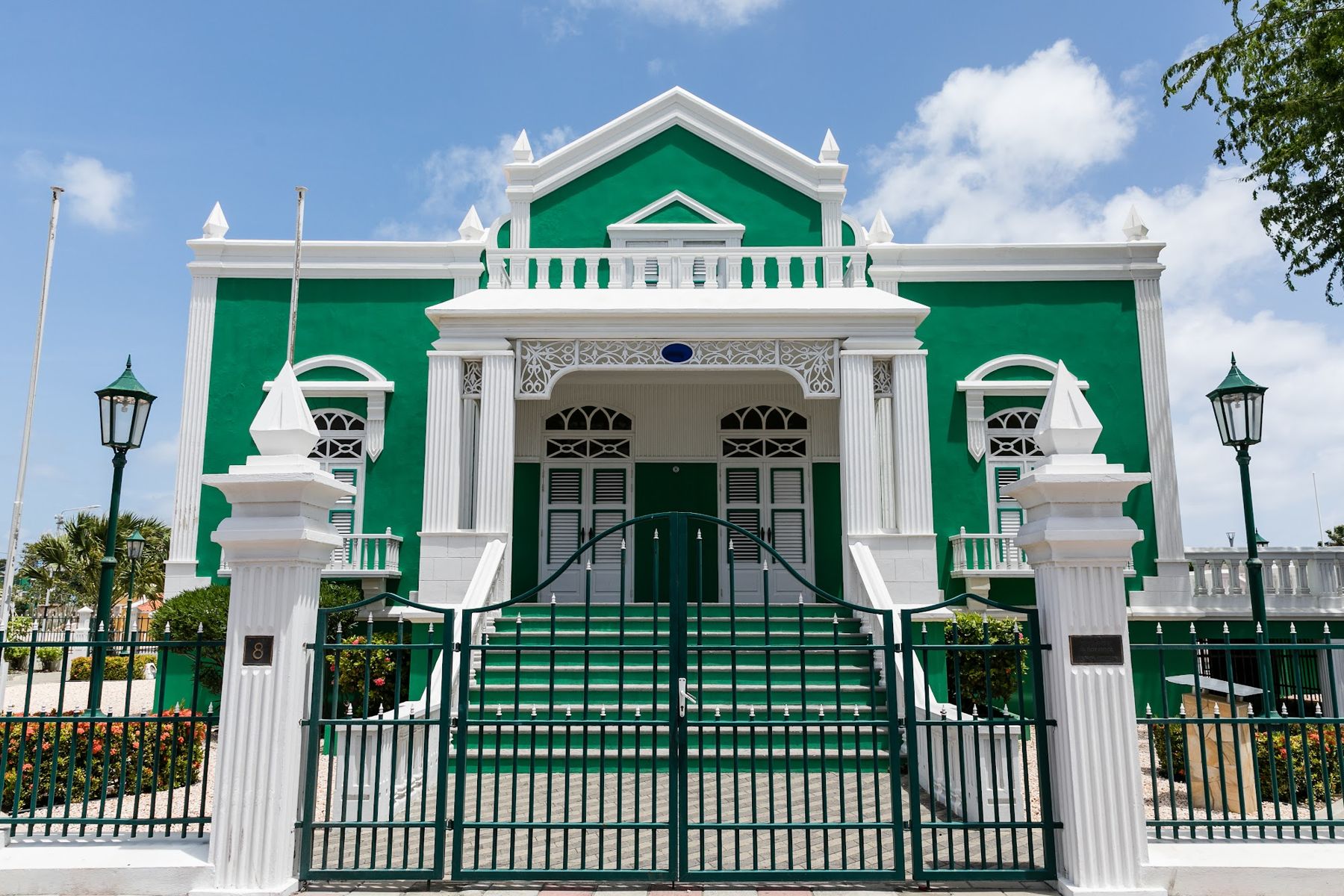
Aruba Cruise Port: Nearest Beaches and a Day Plan
Aruba cruise port guide from a local host: the walk to Surfside Beach, taxi and bus to Eagle Beach and Palm Beach, the free tram and a half day plan that works.
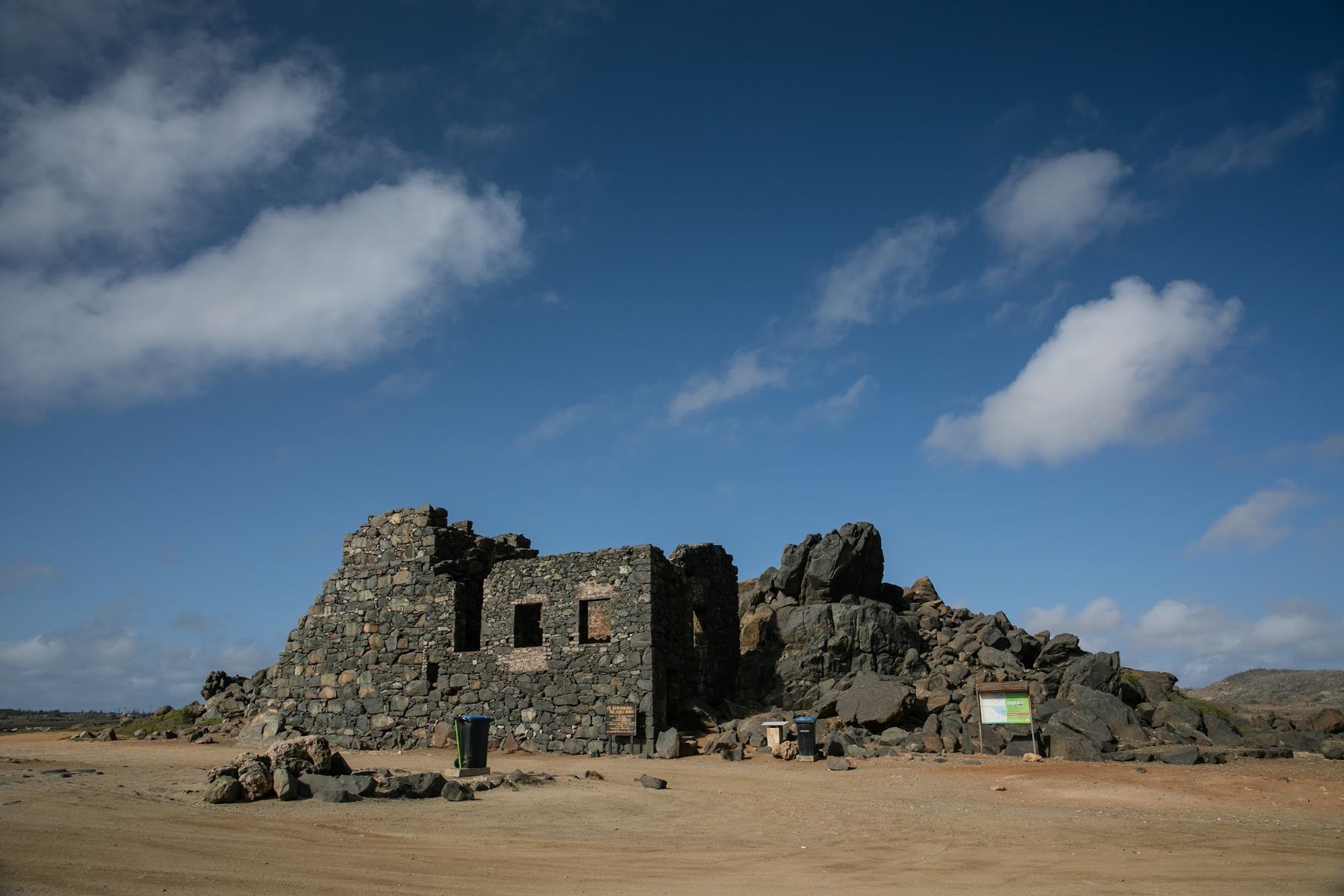
Aruba Currency: Florins, Dollars, Cards and ATMs
Aruba currency explained by a local host: the florin, the fixed 1.79 rate, where US dollars work, cash only places, ATMs, cards, service charges and tipping.