
Aruba Hurricane Season: What Actually Happens, by a Host
Aruba hurricane season explained by a local host: the storm record since 1851, what June to November really looks like, rates, sargassum and cancellation terms.
 By Ghislaine de Windt, your host in Noord · 6 min read · Updated October 2026
Aruba hurricane season is a search people type after seeing a cheap August fare and then a map of the Caribbean with a storm on it. Ghislaine has lived in Noord through more than a dozen hurricane seasons and this is what they have looked like: a few more showers, a few flat windless afternoons, one or two days a year when the north coast surf was worth driving to watch, and no hurricane. Here is the record, what the season actually brings, and how it affects a booking.
Does Aruba get hurricanes?
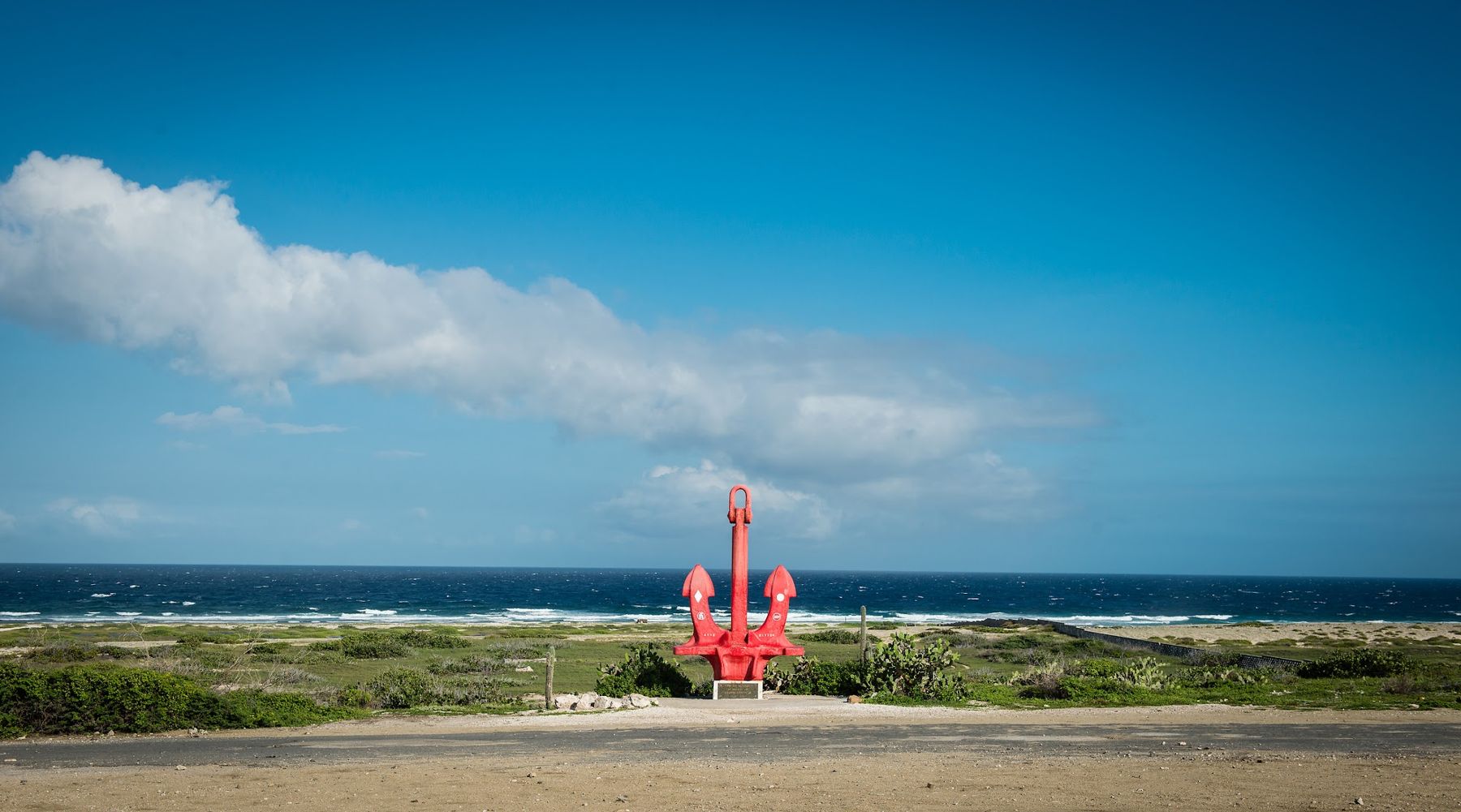
Aruba lies about 25 km off the coast of Venezuela, at roughly 12.5 degrees north. The storms that form off Africa and cross the Atlantic generally curve north before they reach this latitude, which is why Aruba, Curaçao and Bonaire are routinely described as outside the hurricane belt. The Atlantic hurricane database, which goes back to 1851, records no direct hurricane landfall on Aruba.
Close calls do exist, and we would rather you hear them from us than from a forum:
- Hurricane Hazel, 1954, passed to the north and its outer bands brought heavy rain. Older Arubans still mention it.
- Hurricane Ivan, 2004, tracked north of the island as a major hurricane and sent large swells into the west coast, flooding some low areas and reshaping stretches of beach.
- Hurricane Felix, 2007, came within about 80 km, the closest pass in over a century. It brought strong wind, rough seas and rain for a day. Trees down, some roofs damaged, no serious injuries.
- Tropical Storm Bret, 2023, passed north and gave the island a wet, windy day.
That is the full list of anything meaningful in seventy years. For comparison, the islands most Americans picture when they hear hurricane, from Puerto Rico up through the Bahamas, sit 500 to 1,500 km north of here on the main track.
When is Aruba hurricane season?
Officially June 1 to November 30, the Atlantic basin dates. On Aruba the months inside that window feel like this:
June and July: hot, dry, and windy. The trade wind is strong, which keeps the heat bearable and the mosquitoes away. The sea is calm on the west coast. This is the island’s summer high season for South American and Dutch visitors.
August and September: the hottest months, 32 to 33 degrees Celsius, around 90 Fahrenheit, with the lightest wind of the year. Some afternoons are completely still, which is the only time Aruba ever feels humid. Sea temperature peaks near 29 degrees. Very little rain.
October, November, into December: the short rainy season. Showers arrive in bursts, usually at night or early morning, and clear fast. Rainfall for the whole year is only about 400 to 500 mm, less than most US cities, and most of it falls in these months. The wind returns through November.
What the season does not bring is weeks of rain, storm shutters, or the airport closing. In the years Ghislaine has hosted, no guest has lost a stay to weather.
Does Aruba get sargassum in hurricane season?
Sometimes, on the east and south coasts. The seaweed arrives on the windward side from spring through autumn in bad years. The west coast beaches where our homes are, Palm Beach, Eagle Beach and Arashi, face away from it and are almost always clear. Baby Beach and the south coast snorkel spots can be affected for a few weeks. Ask us before you drive down.
Is hurricane season a good time to visit Aruba?
For price, yes. September and October are the cheapest months of the year for homes, resorts and flights, often 30 to 50 percent below January. The beaches are quiet, the restaurants take walk ins, the Natural Pool tour has space, and the sea is warm and clear. The trade offs are the heat in August and September, a few restaurants and tour operators taking their own holidays in September, and the chance of a wet morning in October and November. Our best time to visit guide puts each month side by side.
Who it suits: couples, divers and snorkelers, anyone who prefers 30 degrees and an empty beach to 28 degrees and a full one, and families with the school calendar on their side in late August.
Who it does not suit: anyone who hates heat, and anyone who would spend the trip refreshing the hurricane center map. If that is you, book February and pay for it.
What should you do if a storm does form?
Watch the US National Hurricane Center and the Meteorological Department of Aruba, both free online. Aruba gets days of notice. In the rare event a tropical storm warning is issued for the island, the airport may close for a day, tours cancel, and the advice is to stay in, which in a solid concrete home is not dramatic. Our homes are built the way everything here is built: concrete, with shutters or storm rated glass where the building has them. We send a message with practical instructions if anything is forecast.
Cancellation terms during hurricane season
Our standard terms apply to every booking and are shown at checkout. If a named storm closes Queen Beatrix Airport on your travel day or an official tropical storm warning covers Aruba for your dates, message us and we will work out new dates with you. We cannot refund for a storm elsewhere in the Caribbean, for a rainy forecast, or for a flight your airline cancelled for its own reasons; travel insurance covers those, and we recommend a policy with weather cover for any trip between August and November.
Flights are the bigger risk. A hurricane hitting Florida or the US northeast will cancel your connection even when Aruba is sunny, which has happened to our guests more often than weather on the island ever has.
The short version
Aruba sits below the hurricane track and has no recorded direct hit in 175 years. June to November means heat, light wind, cheap rates and some short showers from October. Buy travel insurance, book the cheap months with confidence, and pack a hat, not a raincoat. If you are weighing the whole calendar, our best time to visit table is the next read, and the packing list covers the sun side of things.
Stay nearby
All four homes are on the sheltered west coast. Oasis Hideaway in Gold Coast has a private pool for the still afternoons of September. Ocean View 2BR on the Palm Beach strip has the sea breeze on the balcony. Hideout Dream Big Suite and Hideout Happiness Suite near Eagle Beach are adults only and quietest in the low season. Low season rates and terms are at /stays/.
Questions people ask
Does Aruba get hurricanes?
Almost never. Aruba sits at 12.5 degrees north, below the main hurricane track, and the Atlantic storm record shows no direct hurricane hit since records began in 1851. A few storms have passed close enough to bring wind, rain and rough seas.
When is hurricane season in Aruba?
June 1 to November 30, the same as the whole Atlantic. On Aruba the practical effect is a slightly wetter October to December and the occasional swell on the north coast, not storms.
Is it safe to visit Aruba in September?
Yes. September is one of the quietest, cheapest and hottest months, with the lightest wind of the year. The hurricane risk is tiny; the real downside is the heat and fewer restaurants open.
What happens to my booking if a storm does come?
Each of our listings states its cancellation terms. If a named storm closes Aruba's airport or an official warning covers your dates, we work with you on rebooking. Travel insurance that covers weather is the sensible backup.
Stay nearby.
All stays Rooftop pool 
Ocean View 2BR
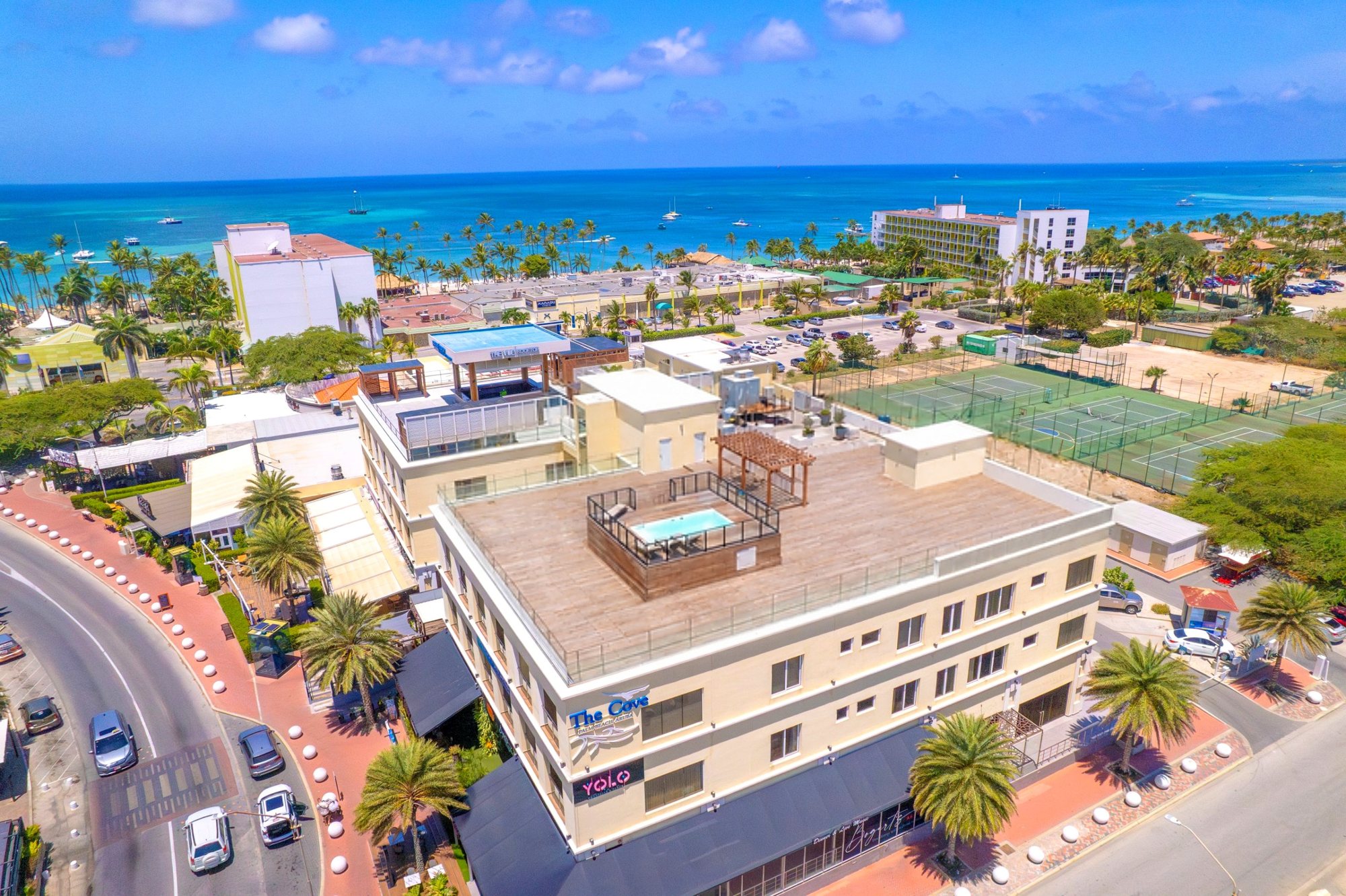
Sea view from your bed, rooftop pool at The Cove From $210 per night, direct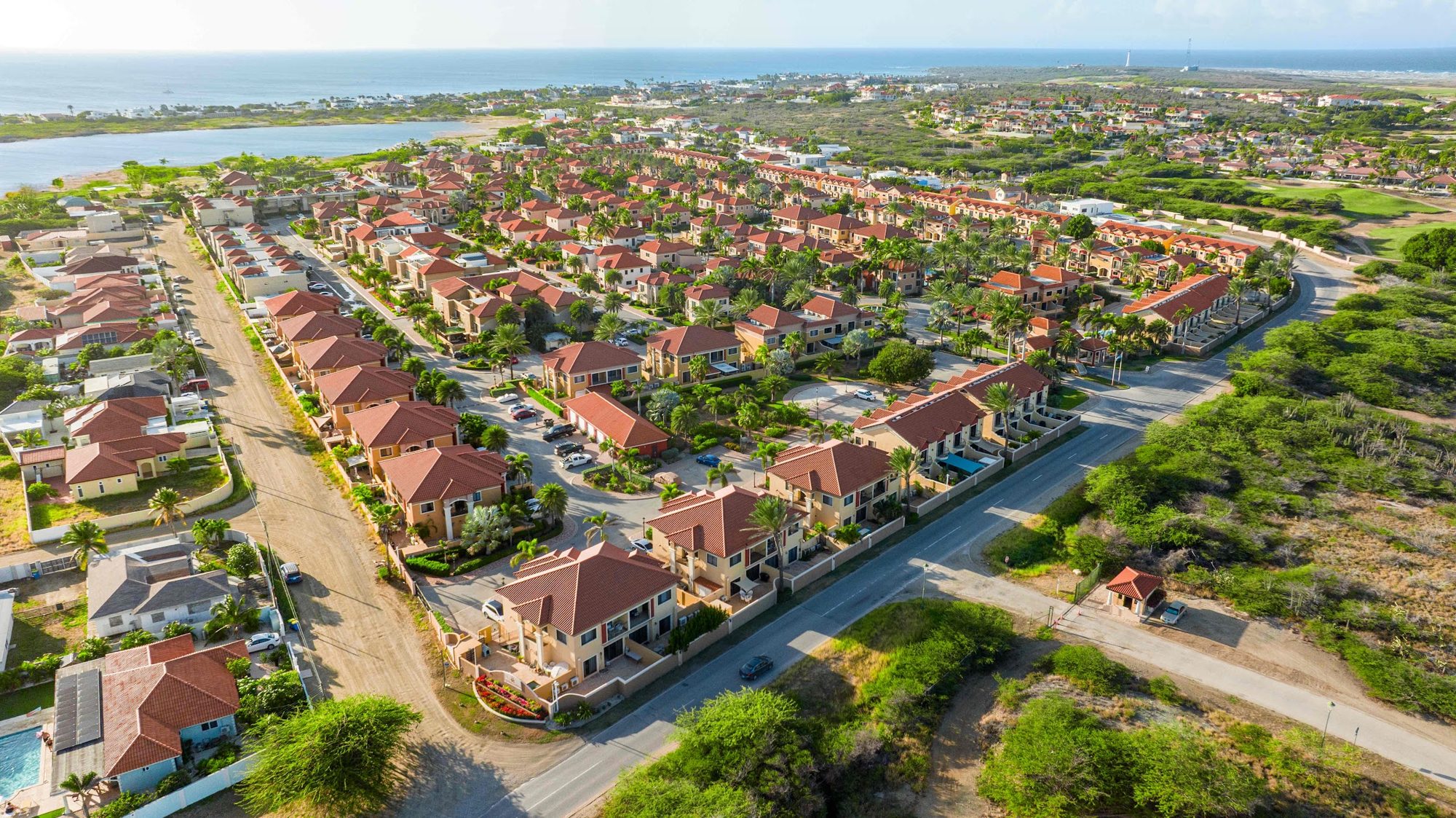 Gated community
Oasis Hideaway
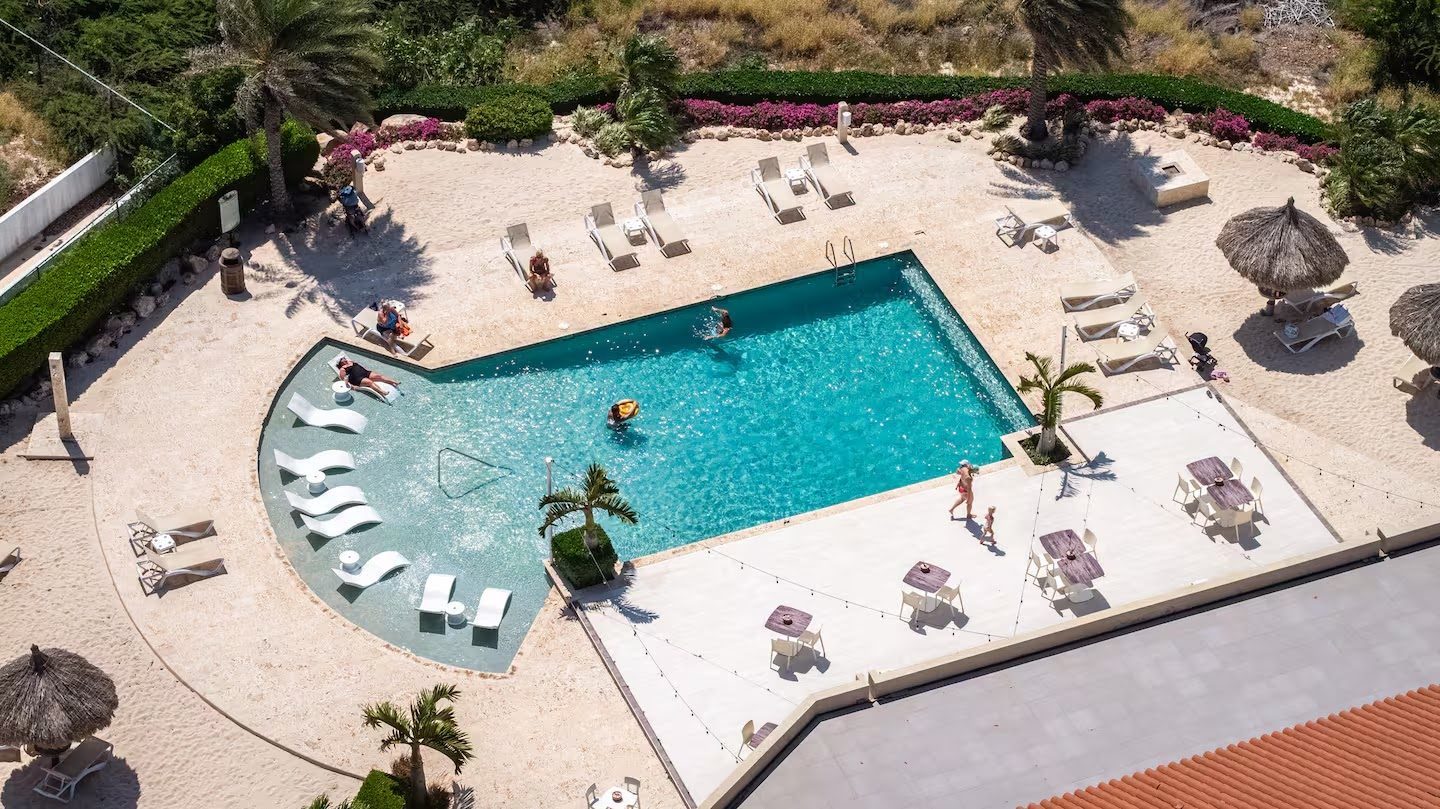
Three pools, gym and tennis inside the gates From $110 per night, direct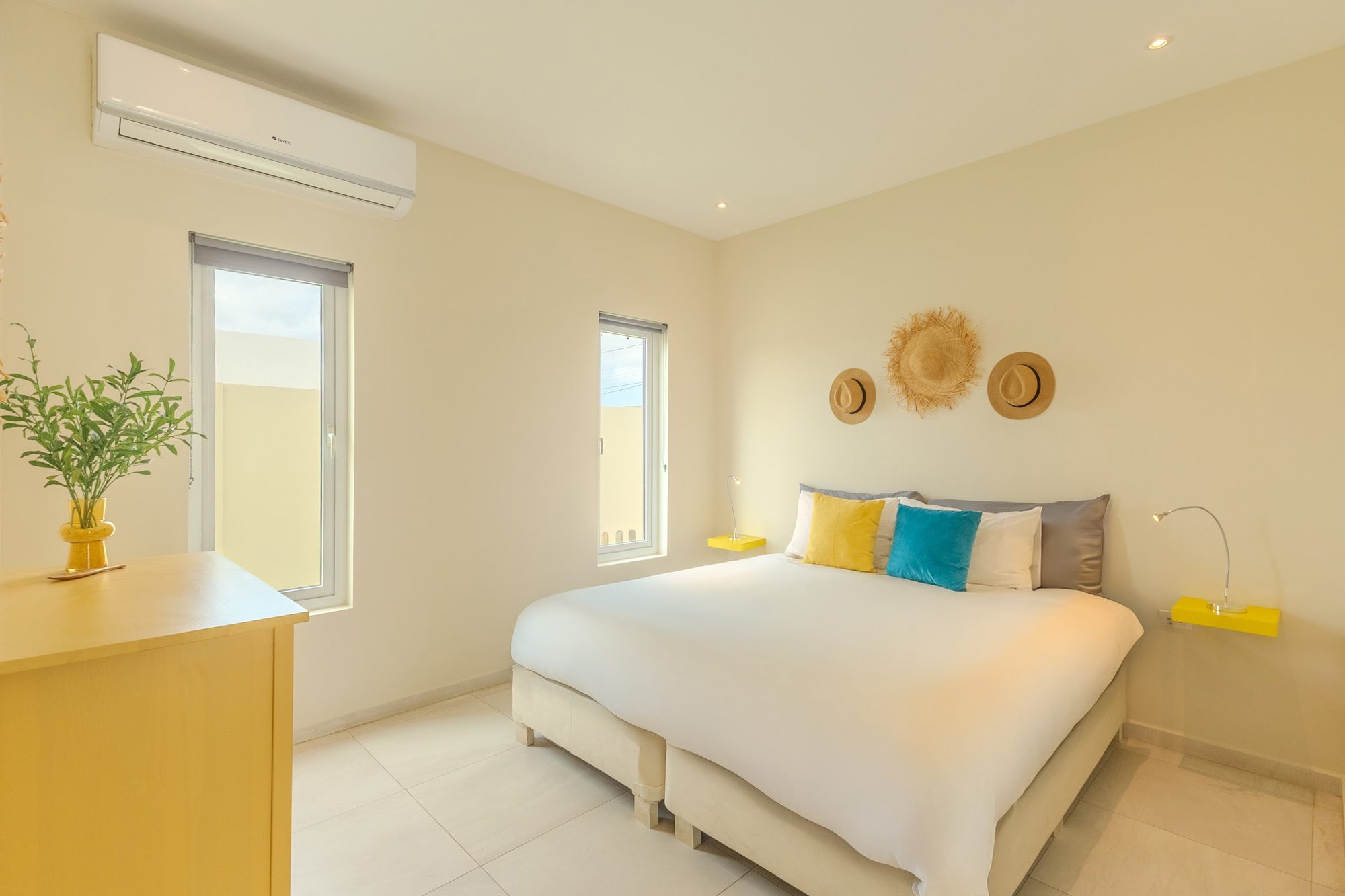 Saltwater pool
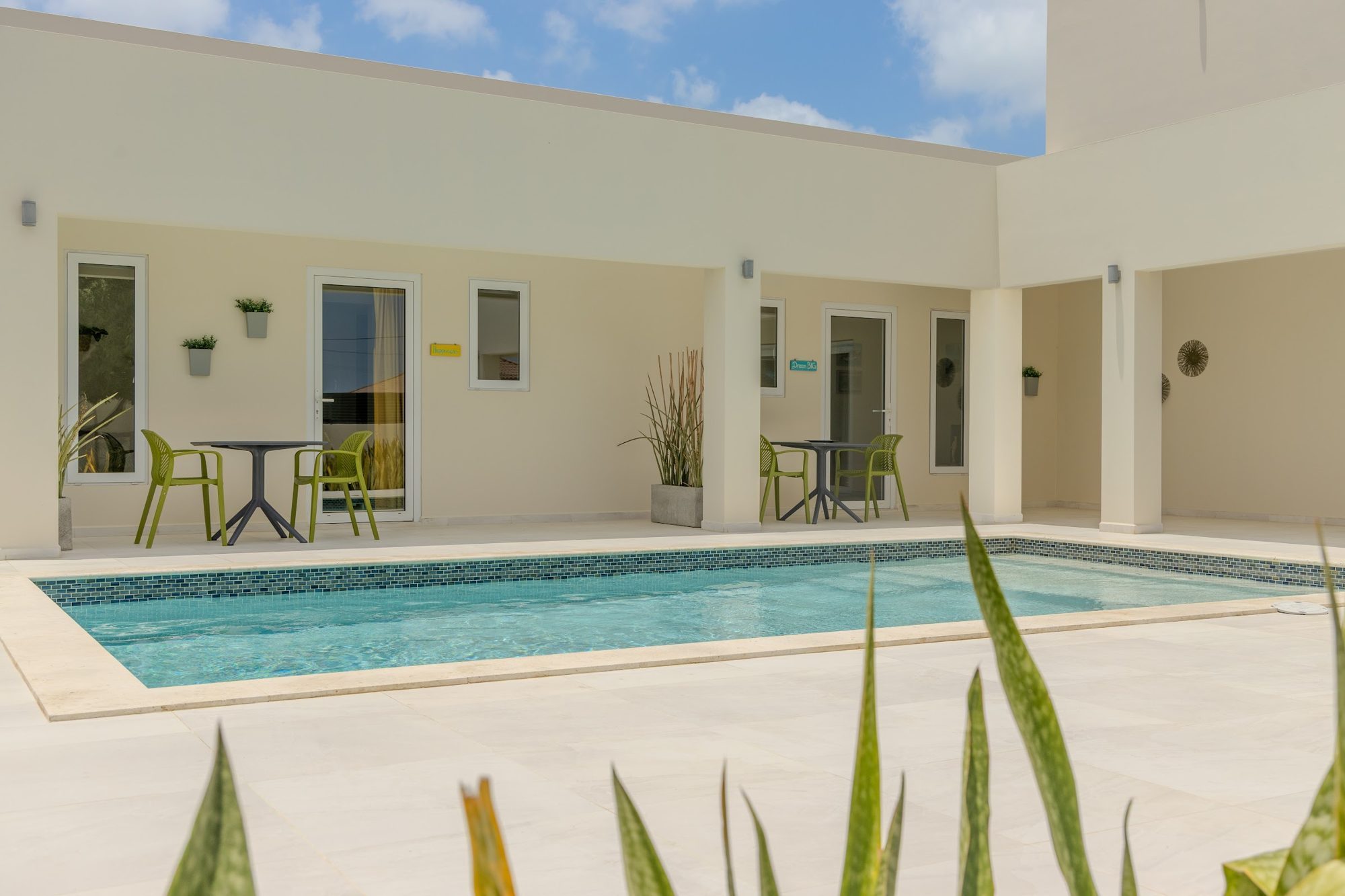
Hideout Dream Big Suite
Adults only, private patio onto the pool garden From $99 per night, direct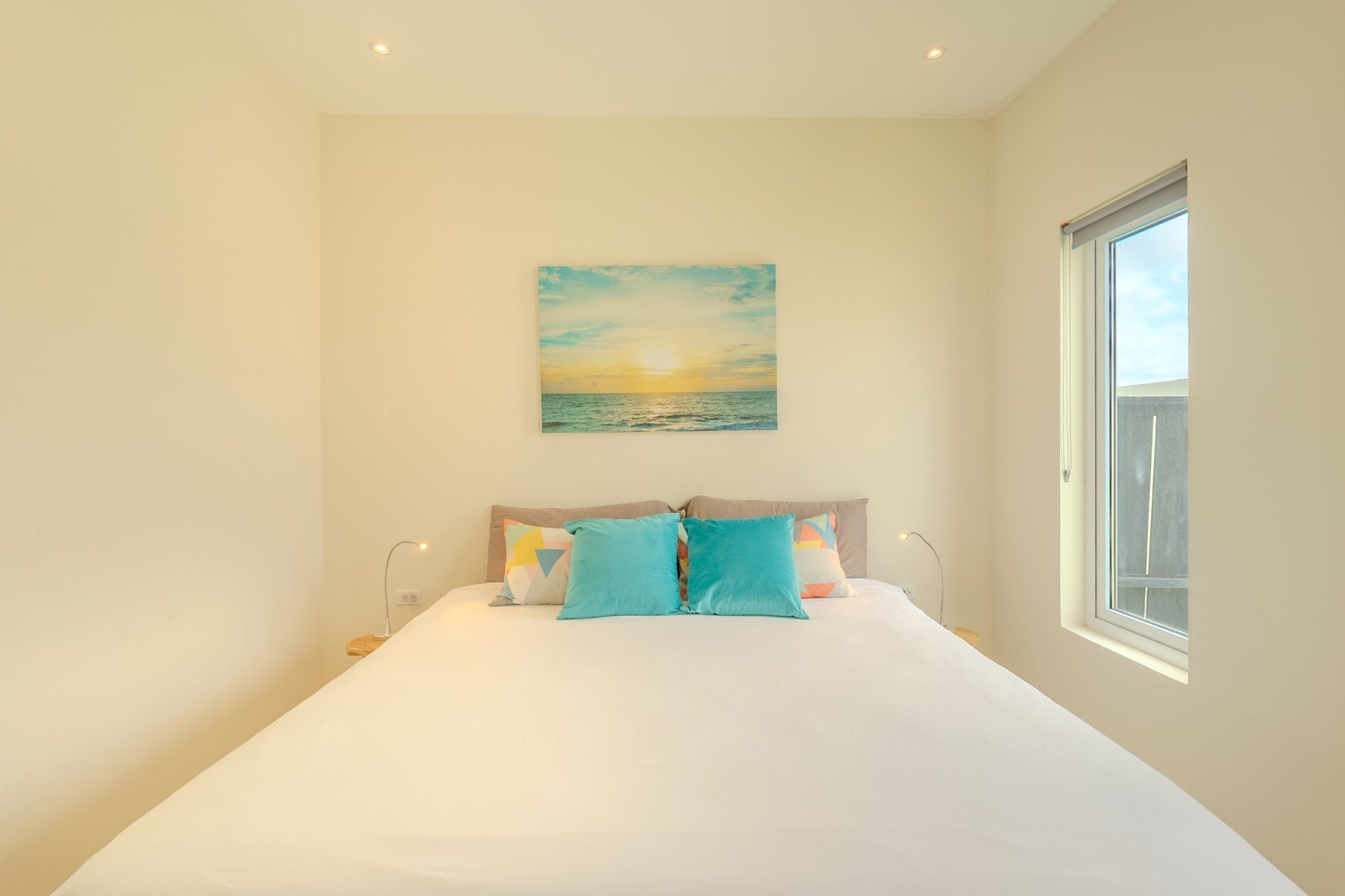 Pool view
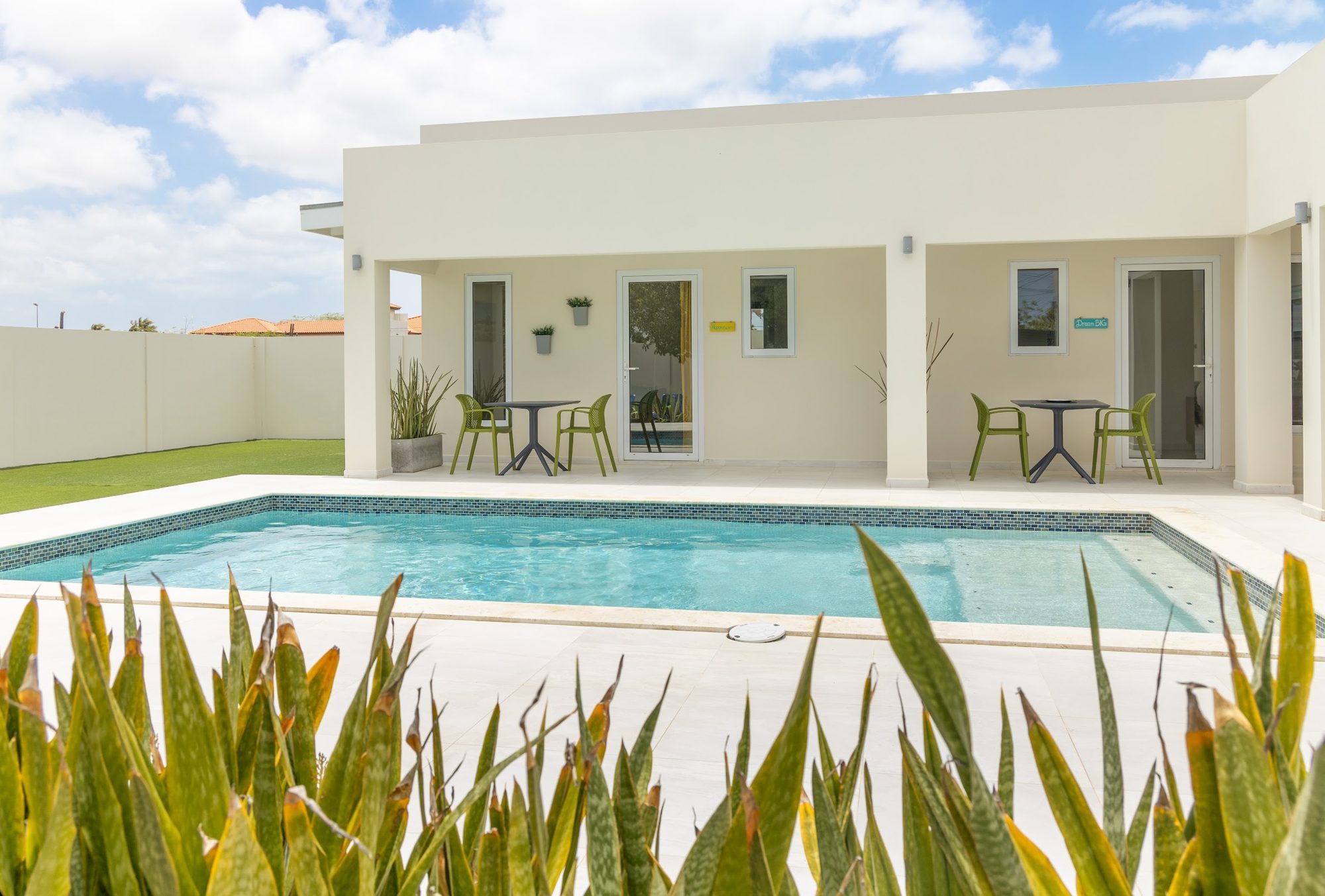
Hideout Happiness Suite
Private patio with pool view From $99 per night, directMore on practical.
Aruba Airport Guide: Arrival, Taxis and US Preclearance
Aruba airport explained by a local host: arrival timing, official taxi rates to Palm Beach and Eagle Beach, rental desks, and why US flights need three hours.
Aruba Cruise Port: Nearest Beaches and a Day Plan
Aruba cruise port guide from a local host: the walk to Surfside Beach, taxi and bus to Eagle Beach and Palm Beach, the free tram and a half day plan that works.
Aruba Currency: Florins, Dollars, Cards and ATMs
Aruba currency explained by a local host: the florin, the fixed 1.79 rate, where US dollars work, cash only places, ATMs, cards, service charges and tipping.