
Best Time to Visit Aruba: Month by Month From a Host
Best time to visit Aruba for weather, prices and crowds, month by month. A Noord host explains high, shoulder and low season and what each one costs you.
 By Ghislaine de Windt, your host in Noord · 7 min read · Updated October 2026

People ask us the best time to visit Aruba before anything else, usually in the first message. The short answer: there is no bad month. Aruba has the most reliable weather in the Caribbean, which is the whole reason the island built its economy on tourism. The longer answer is that the month you pick changes what you pay, how full the beaches are, and how hot the afternoons get. Here is how Ghislaine explains it to guests.
Aruba weather by month: the same all year, the prices are not
The numbers first. Average daytime temperatures sit between 81 and 84°F (27 to 29°C) every month of the year. The warmest stretch is May through October, the coolest is December through March, and the difference between them is about three degrees. The trade winds from the northeast blow almost every day and are strongest around midday, which is why 84°F on Eagle Beach feels cooler than 84°F in Miami.
Aruba rainy season and hurricane season
Rain is minimal. The island gets about 16 inches a year, most of it between October and January, with November the wettest month at roughly 3.5 inches. A shower here means ten minutes under a palapa and then the sun is back. Nobody packs a rain jacket for Aruba.
Does Aruba get hurricanes? Almost never. Aruba lies on the southern fringe of the hurricane belt. Storms form to the north and track north or west; a direct hit is very rare. Hurricane season technically runs June through November, and the main thing you will notice in those months is occasionally higher swell on the north coast, which can close the Natural Pool for a day.
So if the weather barely moves, what moves is demand. That is what sets the price of your rental.
High season: mid December to mid April
This is when North America is cold and Aruba is full. Prices for our homes are at their highest, Palm Beach restaurants need reservations, and the best rentals sell out months ahead. Christmas to New Year is the peak inside the peak.
What you get for it: the driest, coolest, breeziest weather of the year, every restaurant and tour running at full schedule, and Carnival. Carnival starts in early January with the Torch Parade in Oranjestad and ends the day before Ash Wednesday with the Grand Parades (San Nicolas on the Saturday, Oranjestad on the Sunday). If you want to see it, book early and expect road closures on parade days.
Ghislaine’s advice: if you want high season, book by September for Christmas and by October for February and March. Minimum stays are longer in these weeks, usually five to seven nights.
Shoulder season: mid April to August
This is the window we recommend most often. The Easter crowd leaves, rates drop noticeably, and the weather is still excellent. May and June are dry. July and August are a touch hotter and more humid, but the wind picks up again in summer, so the beach stays comfortable.
Availability is the real win. You can book a week in June a month out and still choose between our homes. Restaurants seat you without a wait. Eagle Beach has empty palapas at 10 am.
One thing to know: schools in the Netherlands and parts of the US are out from late June, so July has a family bump. Still nowhere near February.
Low season: September to mid December
The cheapest months on the island, and in our opinion underrated. September and October are the hottest and most humid of the year, with daytime highs around 88°F and less wind than winter. From late October the first showers arrive, and November is the month most likely to give you a wet afternoon.
Trade offs: a few restaurants close for two or three weeks for staff holidays (mostly in September and October), and sea conditions on the north coast can be rougher. In exchange you get the lowest rental rates of the year, often 30 to 40 percent under February, quiet beaches, and the Aruba Art Fair in San Nicolas, which ran September 11 to 13 in 2026.
Thanksgiving week is the exception in this period. US travellers fill the island for that week and prices jump for it.
Best time to go to Aruba, by goal
- Best weather, money no object: January to March.
- Best balance of weather, price and space: May, June, early December.
- Best deals: September, October, first half of November.
- Carnival: late January to mid February, book by October.
- Turtle nesting on Eagle Beach: March to September for nests, hatchlings from roughly May into November. Tortuga Aruba marks the nests, so you will see the stakes on the sand.
- Snorkelling at the Antilla wreck and Arashi: calmest water December through May, but it is doable most of the year on the west coast.
Two practical things that depend on the month
Minimum stays and rates on our homes change with the season, and so does the sustainability fee math. Every air arrival pays the $20 sustainability fee once per calendar year through the ED card, so a trip that straddles New Year’s Eve technically falls in two years but is only charged once on entry.
Flights follow the same curve as rentals. Direct flights from the US east coast and from Amsterdam run year round, but winter adds frequency and seats. Shoulder and low season fares are lower but the schedule is thinner, so check flight days before you fix your dates.
Stay nearby
Whatever month you choose, we have four homes that fit the way different people travel. The Ocean View 2BR sits right on the Palm Beach strip for people who want restaurants and the beach on foot. Oasis Hideaway in Gold Coast is a short drive to Arashi and the snorkel beaches, ideal for a quiet week. The Hideout Dream Big Suite and Hideout Happiness Suite are minutes from Eagle Beach and suit couples and small families. See all four at /stays/.
Questions people ask
What is the cheapest month to visit Aruba?
September and October are usually the cheapest months for rentals and flights. The weather is still warm and dry by Caribbean standards, just a bit hotter and with a short shower now and then.
Is Aruba in the hurricane belt?
Aruba sits on the southern fringe of the belt, far south of the usual storm tracks. Direct hits are rare. Hurricane season runs June through November but the island almost never closes or evacuates.
What is the rainy season in Aruba?
October through January sees the most rain, with November the wettest at roughly 3.5 inches for the whole month. Showers are short and usually pass within the hour. The whole year adds up to about 16 inches.
When is Carnival in Aruba?
Carnival runs from early January until the day before Ash Wednesday. In 2026 the Grand Parades were on February 14 in San Nicolas and February 15 in Oranjestad. Dates shift each year with Easter.
Is April a good time to visit Aruba?
Yes. April is dry, slightly cooler than summer, and the Easter crowds thin out after the first week. It is still high season pricing until roughly mid April, then rates start to drop.
Stay nearby.
All stays Rooftop pool 
Ocean View 2BR
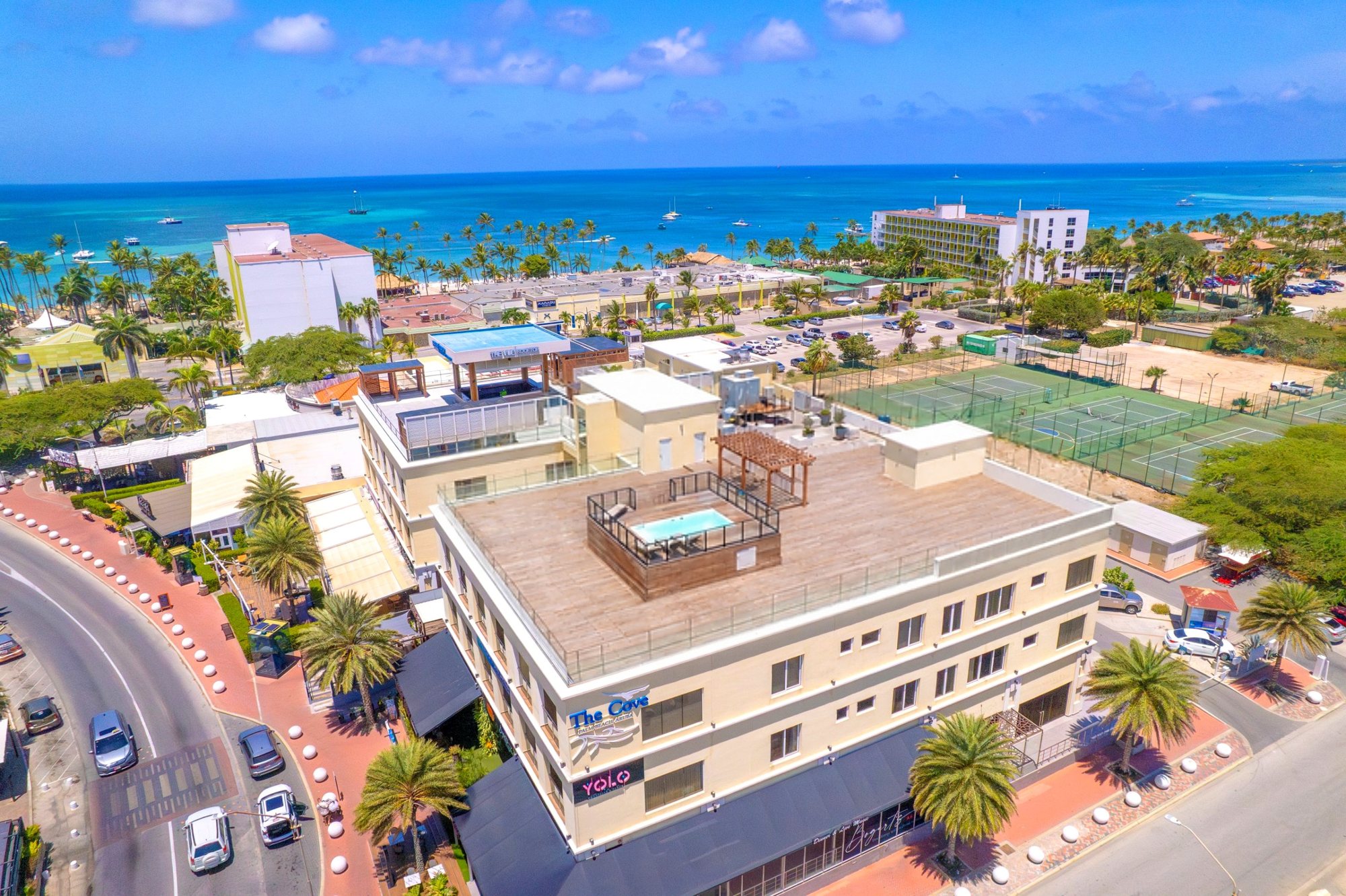
Sea view from your bed, rooftop pool at The Cove From $210 per night, direct Gated community
Oasis Hideaway
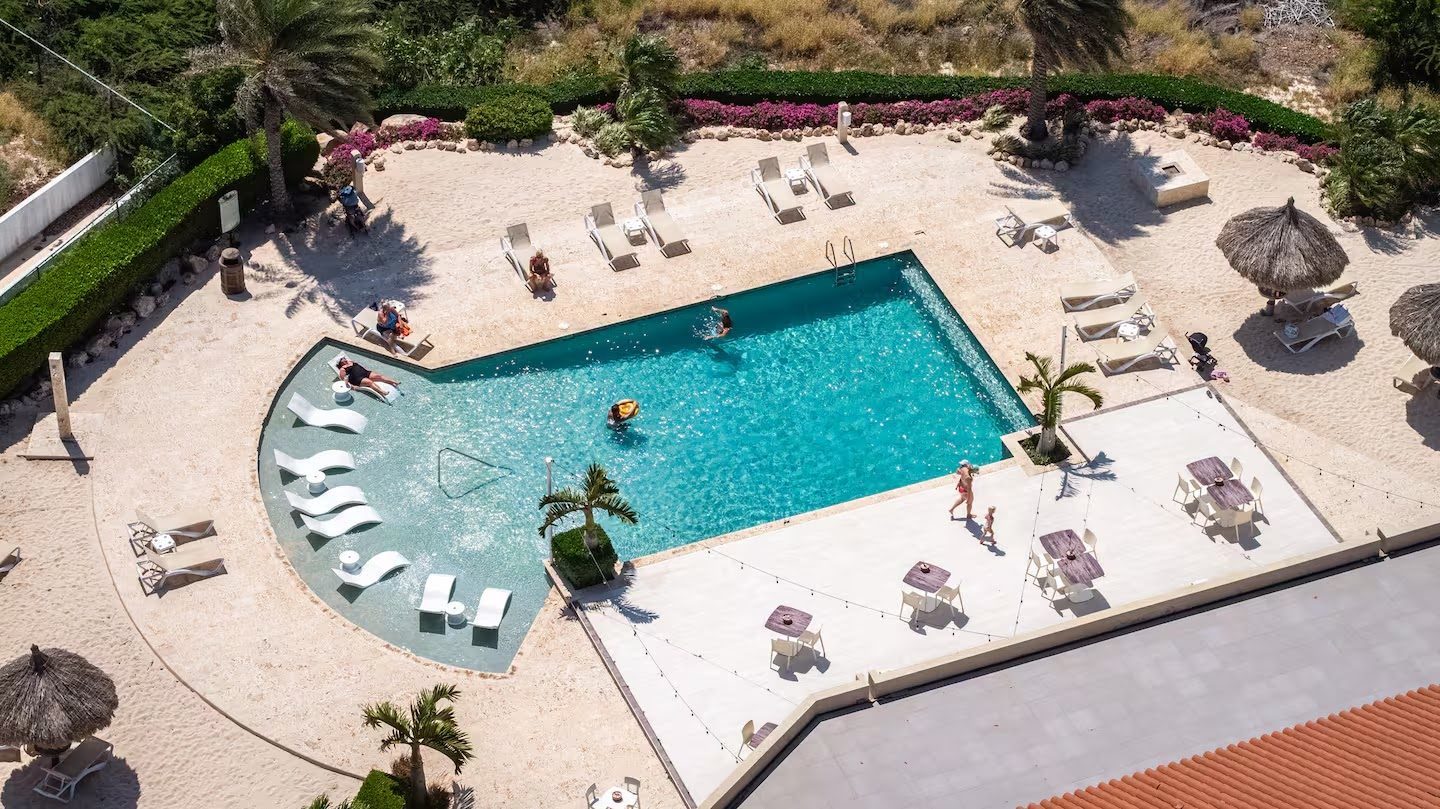
Three pools, gym and tennis inside the gates From $110 per night, direct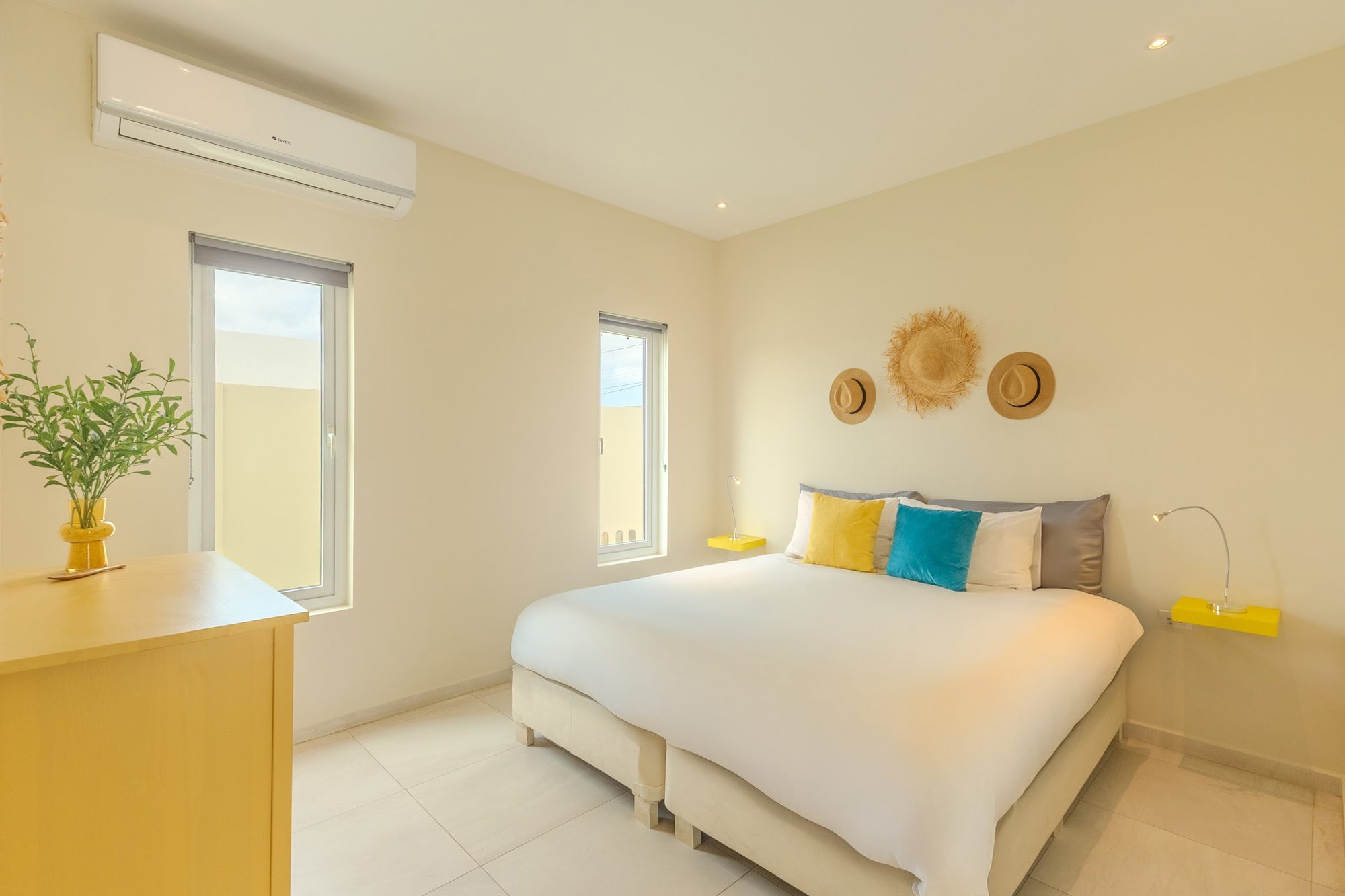 Saltwater pool
Hideout Dream Big Suite
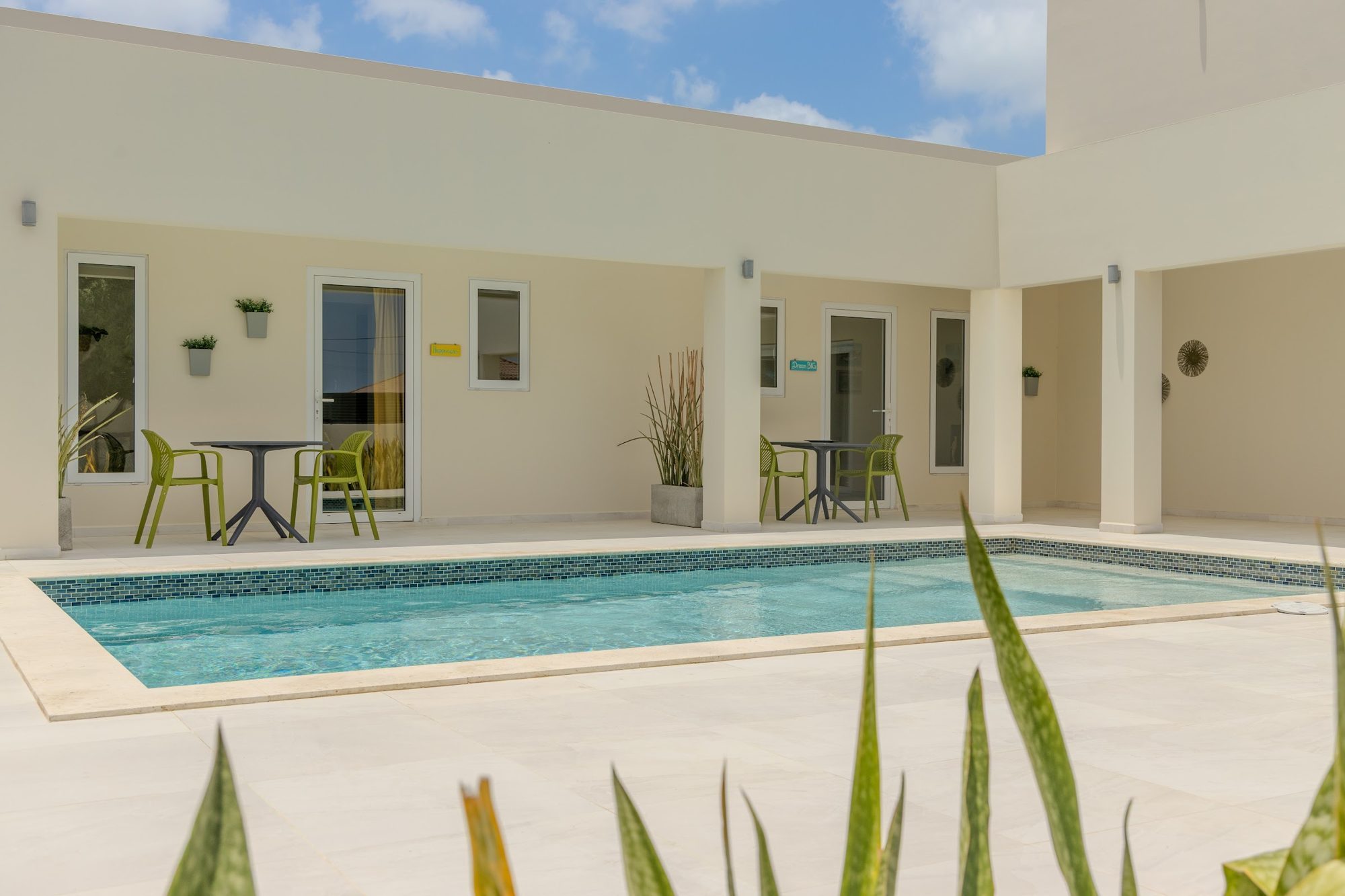
Adults only, private patio onto the pool garden From $99 per night, direct Pool view
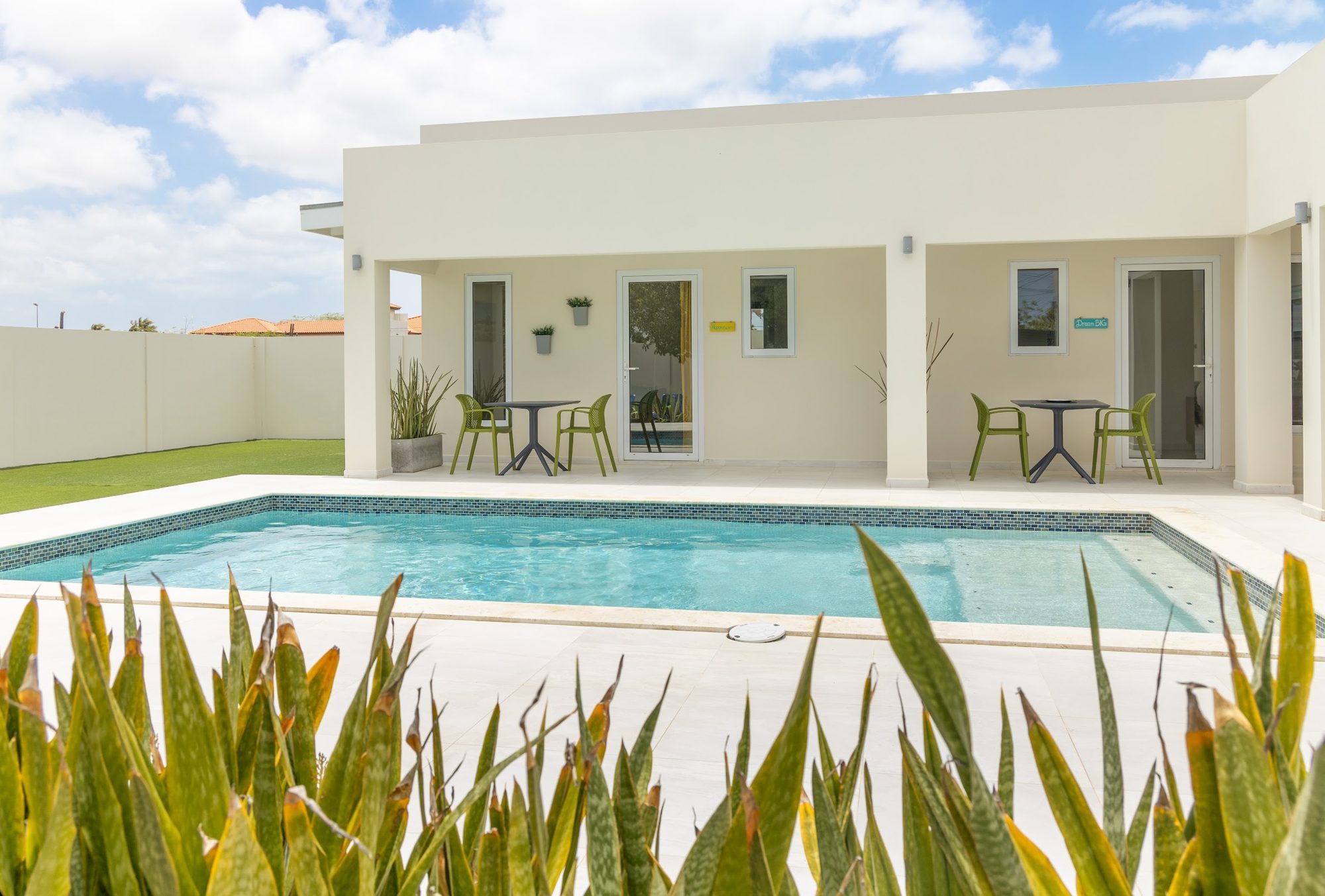
Hideout Happiness Suite
Private patio with pool view From $99 per night, directMore on practical.
Aruba Airport Guide: Arrival, Taxis and US Preclearance
Aruba airport explained by a local host: arrival timing, official taxi rates to Palm Beach and Eagle Beach, rental desks, and why US flights need three hours.
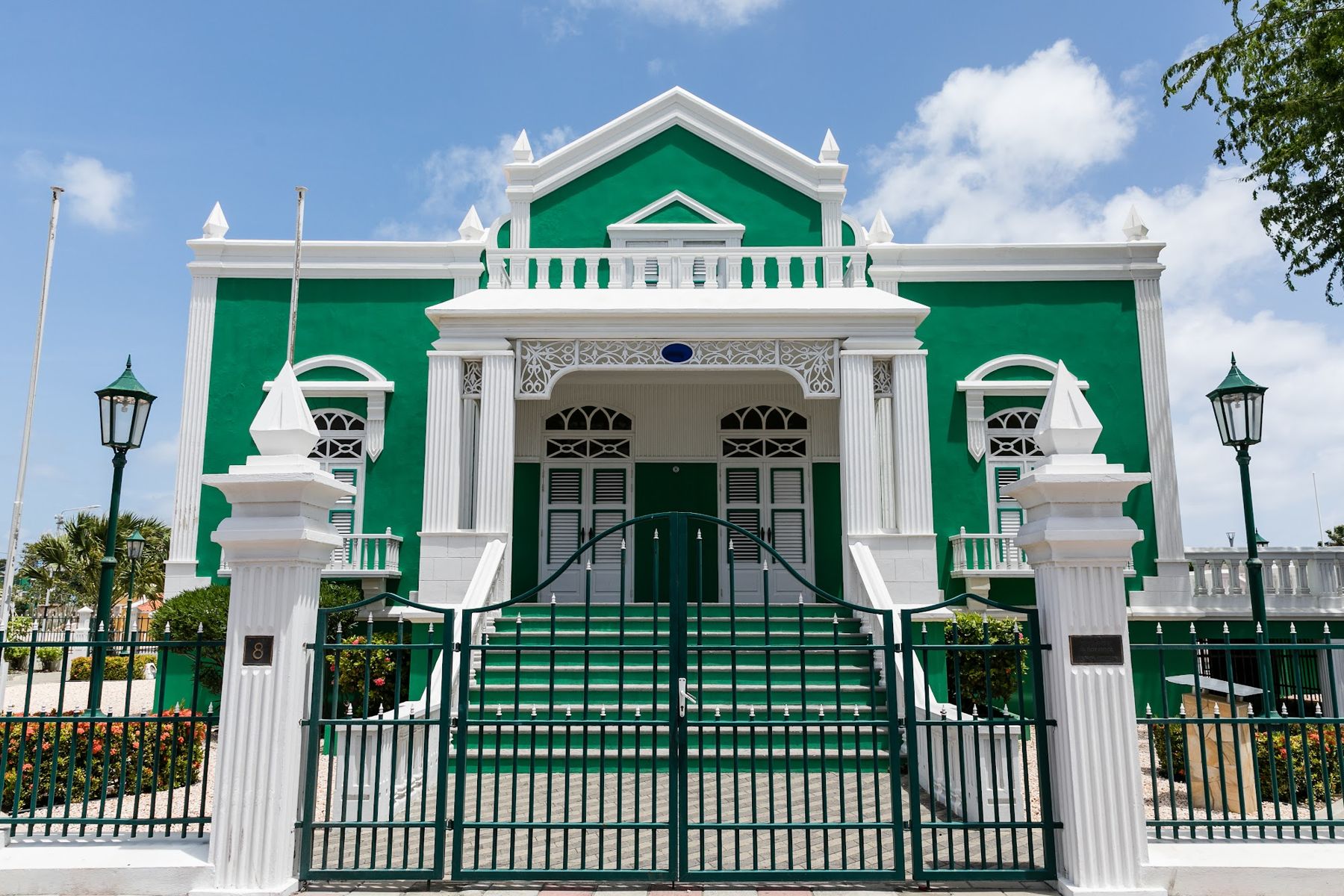
Aruba Cruise Port: Nearest Beaches and a Day Plan
Aruba cruise port guide from a local host: the walk to Surfside Beach, taxi and bus to Eagle Beach and Palm Beach, the free tram and a half day plan that works.
Aruba Currency: Florins, Dollars, Cards and ATMs
Aruba currency explained by a local host: the florin, the fixed 1.79 rate, where US dollars work, cash only places, ATMs, cards, service charges and tipping.