
Is Aruba Safe? A Resident's Straight Answer
Is Aruba safe? A host who lives on the island answers straight: crime, beach theft, driving, tap water, hurricanes, and what she tells solo women and families.
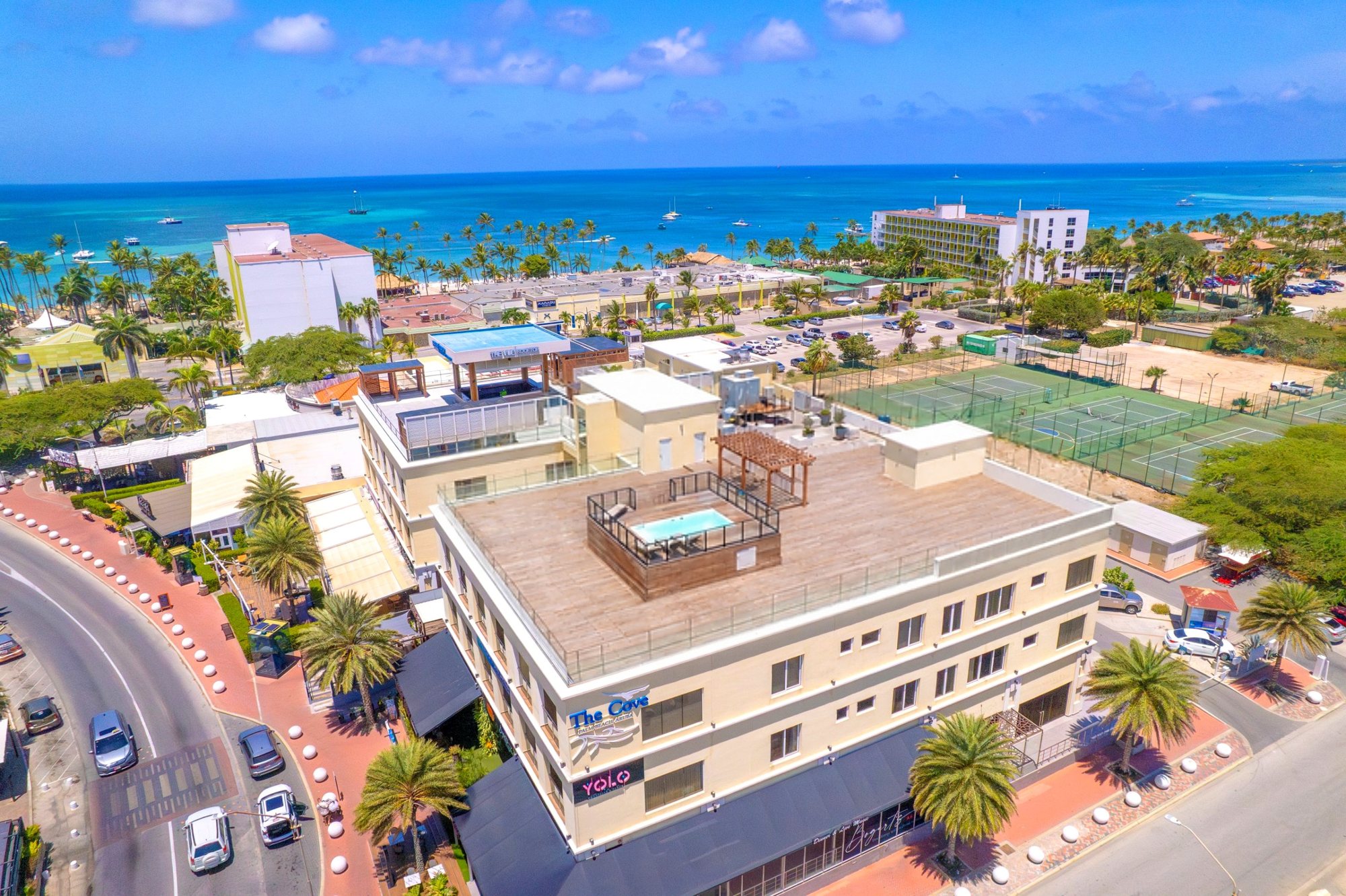 By Ghislaine de Windt, your host in Noord · 6 min read · Updated October 2026
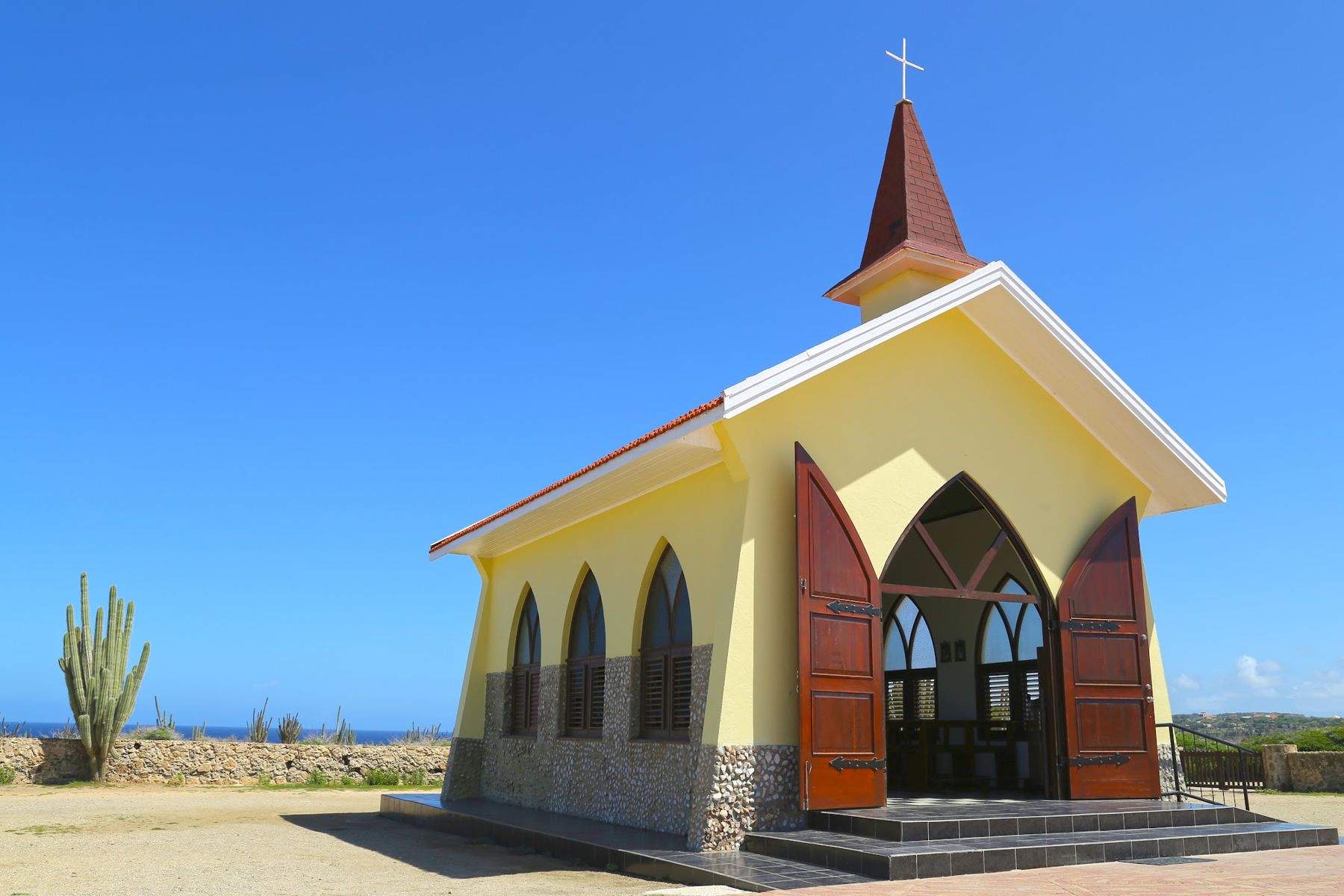
Is Aruba safe? Ghislaine has lived in Noord for years, raises a family here, and walks the beach alone at 7 am. Her answer is yes, with the normal caveats of any place that gets more than a million visitors a year. Here is what the numbers say, what actually happens, and what she tells guests before they arrive.
Is Aruba safe to travel to right now?
The US State Department rates Aruba Level 1, exercise normal precautions, which is the lowest of its four levels. The advisory was last revised in August 2026 and the level did not change. The same page notes that petty theft happens in tourist areas and that part of San Nicolas carries higher risk at night, which matches what we see.
Aruba also topped a 2025 Caribbean safety index that weighed crime, hurricane exposure and medical care, and the island has run its own tourism police unit for years. Violent crime against visitors is unusual enough that when it happens it is front page news here for a week.
What this means in practice: you can walk between restaurants on Palm Beach at midnight, leave your car at Eagle Beach while you swim, and drive the whole island without thinking about it. The risks that exist are the ordinary ones.
Petty theft: the one thing that does happen
The crime that actually touches visitors is opportunistic theft. A bag left on a lounger while everyone is in the water. A phone on the table at a beach bar. A rental car with a backpack on the back seat parked at a remote beach. None of it is violent and almost all of it is avoidable.
What we tell guests:
- Take valuables into the water in a dry pouch, or leave them at the home. Our homes have safes.
- Do not leave anything visible in a parked car, especially at Mangel Halto, Andicuri or the north coast tracks where there is nobody around.
- Lock the car and the home every time, including sliding doors. Burglaries of rentals do happen on the island, mostly when a door was left open.
- Carry a copy of your passport, not the passport itself.
That is the whole list. Nobody here is going to pick your pocket in a crowd.
Is Aruba safe at night?
Palm Beach, Eagle Beach and Oranjestad center are lively and well lit until late. Walking between the resorts, the plazas and the beach bars is normal. Noord is a residential town; by 10 pm the streets are quiet rather than unsafe. Taxis use fixed government rates and are the sensible way home after drinking, since the police do run breath checks near Palm Beach on weekend nights. There is no Uber; your home has the taxi number on the fridge.
The places we would not wander at night are the same ones locals skip: the back streets of San Nicolas and the unlit stretches of the east and north coasts, where the only risk is a flat tire with no signal.
Is Aruba safe for families and solo travelers?
Families: this is one of the easiest islands in the Caribbean. The west coast water is calm and shallow, Eagle Beach, Palm Beach, Arashi and Baby Beach have lifeguards, and the hospital in Oranjestad is modern. The things that actually hurt kids here are sunburn and a jellyfish sting now and then. Reef safe sunscreen is the law and it works.
Solo travelers, including women: we host many and the feedback is consistent. Aruba is relaxed, people speak English, harassment is rare and the usual rules apply. Tell someone your plan if you go to a remote beach alone, mostly because of the roads, not the people.
Is it safe to drive in Aruba?
Yes. Right side of the road, good main roads, roundabouts everywhere, and nobody speeding. The hazards are potholes and unmarked speed bumps on side roads at night, goats and donkeys in Santa Cruz and the east, and the unpaved tracks inside Arikok, which void most rental insurance. Our car guide covers it.
Water, food and health
Tap water is desalinated and safe; drink it, brush with it, make coffee with it. Food hygiene is at Dutch standards and we eat at the roadside snack trucks without a thought. Mosquitoes exist, especially after the October to December rains, and dengue appears in small numbers most years, so use repellent at dusk. There is no malaria. The hospital, Dr. Horacio Oduber, is in Oranjestad and private clinics sit along the hotel strips; US insurance usually does not cover care here, so carry travel insurance.
Does Aruba get hurricanes?
Almost never. The island sits at 12 degrees north, below the track of most Atlantic storms. Hurricane season runs June through November and in most years it means a few days of extra cloud and wind when a system passes far to the north. The last storms to do real damage were decades ago. We do not change our booking calendar for it, and the best time to visit guide explains why September and October are the quiet bargain months rather than a gamble.
Sea safety
The west and south coast beaches are calm. The north and east coasts are not; Andicuri, Dos Playa, Boca Prins and Boca Grandi have surf and currents and no lifeguards, and people have drowned there. Treat them as places to walk and photograph. On the west coast, the only thing to watch is the afternoon wind pushing a current along Eagle Beach past the sandbar; stay in front of the lifeguard towers.
Laws that catch visitors
Drugs, including cannabis and CBD products legal at home, are illegal to bring in. Drones need a permit. Taking sand, shells or coral out of the country is prohibited. Drink driving is enforced at 0.5 promille. Nude sunbathing is not allowed on public beaches. None of this is hidden; it is on the ED card you fill in before arrival.
What a host actually worries about
Sunburn on day one, a guest driving a 4x4 onto a beach and getting stuck, and the sliding door left open at night. That is the honest list after years of hosting. Aruba earns the “one happy island” line more than most places earn a slogan.
Stay nearby
All four homes are in quiet, residential or resort areas with on site parking and safes. Ocean View 2BR is on the Palm Beach strip, the Hideout Dream Big Suite and Hideout Happiness Suite are near Eagle Beach and adults only, and Oasis Hideaway is in the gated Gold Coast community near Arashi. See them at /stays/.
Questions people ask
Is it safe to travel to Aruba right now?
Yes. The US State Department keeps Aruba at Level 1, exercise normal precautions, its lowest rating, and Aruba sits outside the hurricane belt. Check the advisory page before you fly, as every traveler should, but nothing on the island has changed.
Is Aruba safe for solo female travelers?
Yes, and we host many. Walk the Palm Beach and Eagle Beach strips freely in the evening, use fixed rate taxis at night, and treat bars and beaches the way you would at home. Catcalling is rare; being hassled is rarer.
Can you drink the tap water in Aruba?
Yes. Aruba makes its water by desalination and it meets Dutch standards. It tastes clean and you do not need bottled water anywhere on the island, including in our homes.
Does Aruba get hurricanes?
Very rarely. The island sits south of the usual hurricane tracks. Storms pass to the north most years with some wind and rain here; a direct hit has not happened in living memory.
Is San Nicolas safe to visit?
By day, yes, and the street art is worth the trip. The US advisory flags parts of San Nicolas at night. Go for lunch and the murals and head back before dark.
Stay nearby.
All stays Rooftop pool 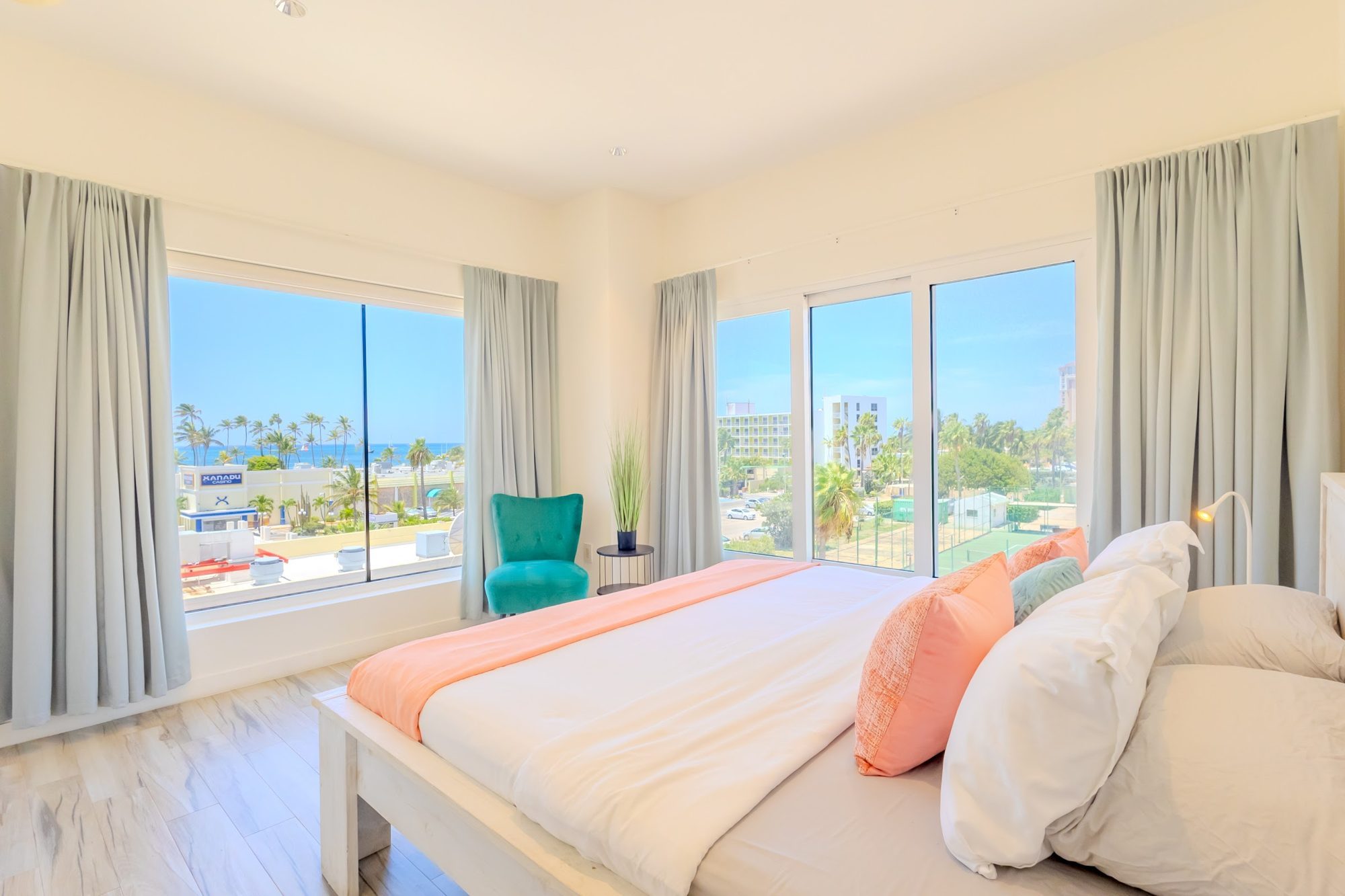
Ocean View 2BR
Sea view from your bed, rooftop pool at The Cove From $210 per night, direct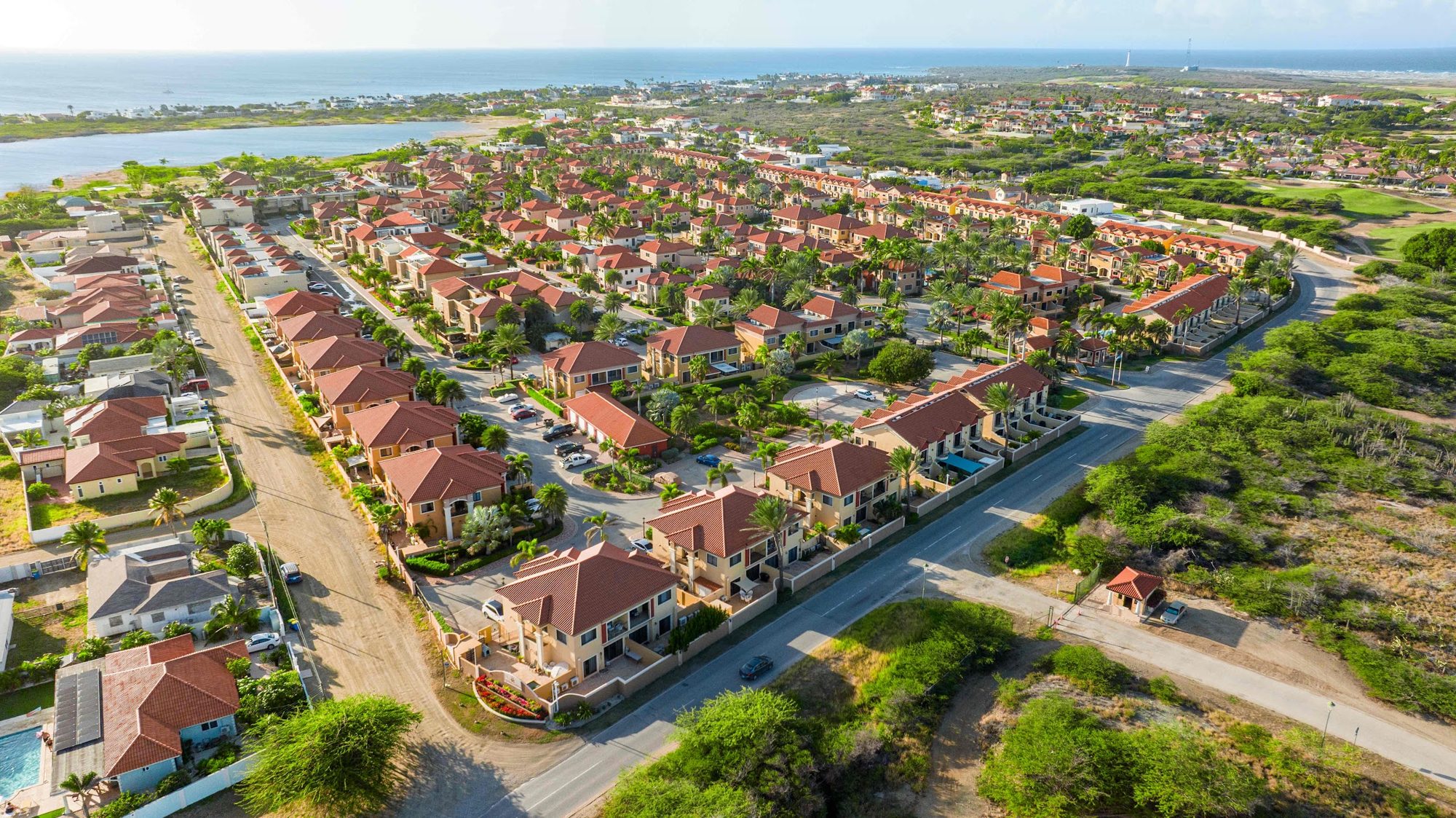 Gated community
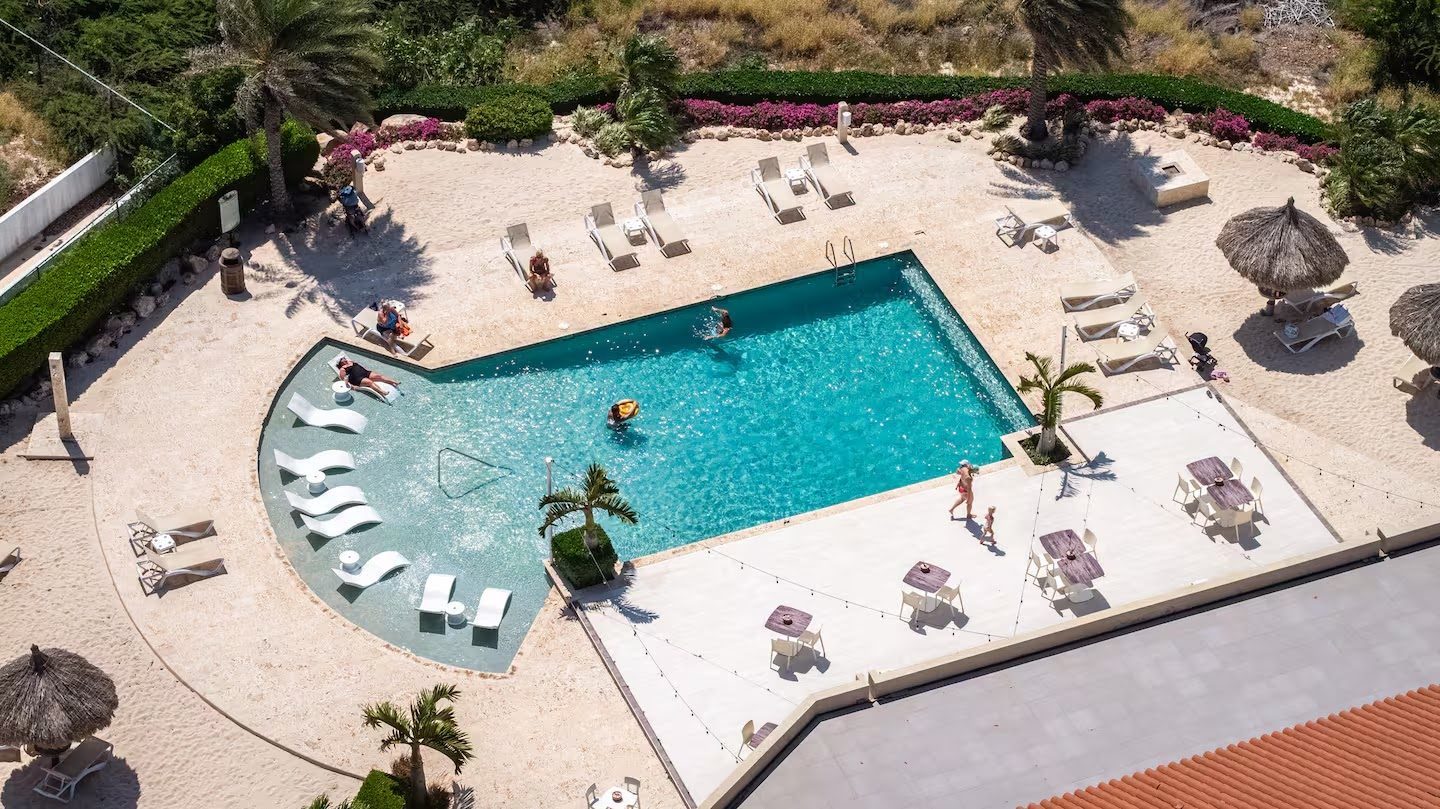
Oasis Hideaway
Three pools, gym and tennis inside the gates From $110 per night, direct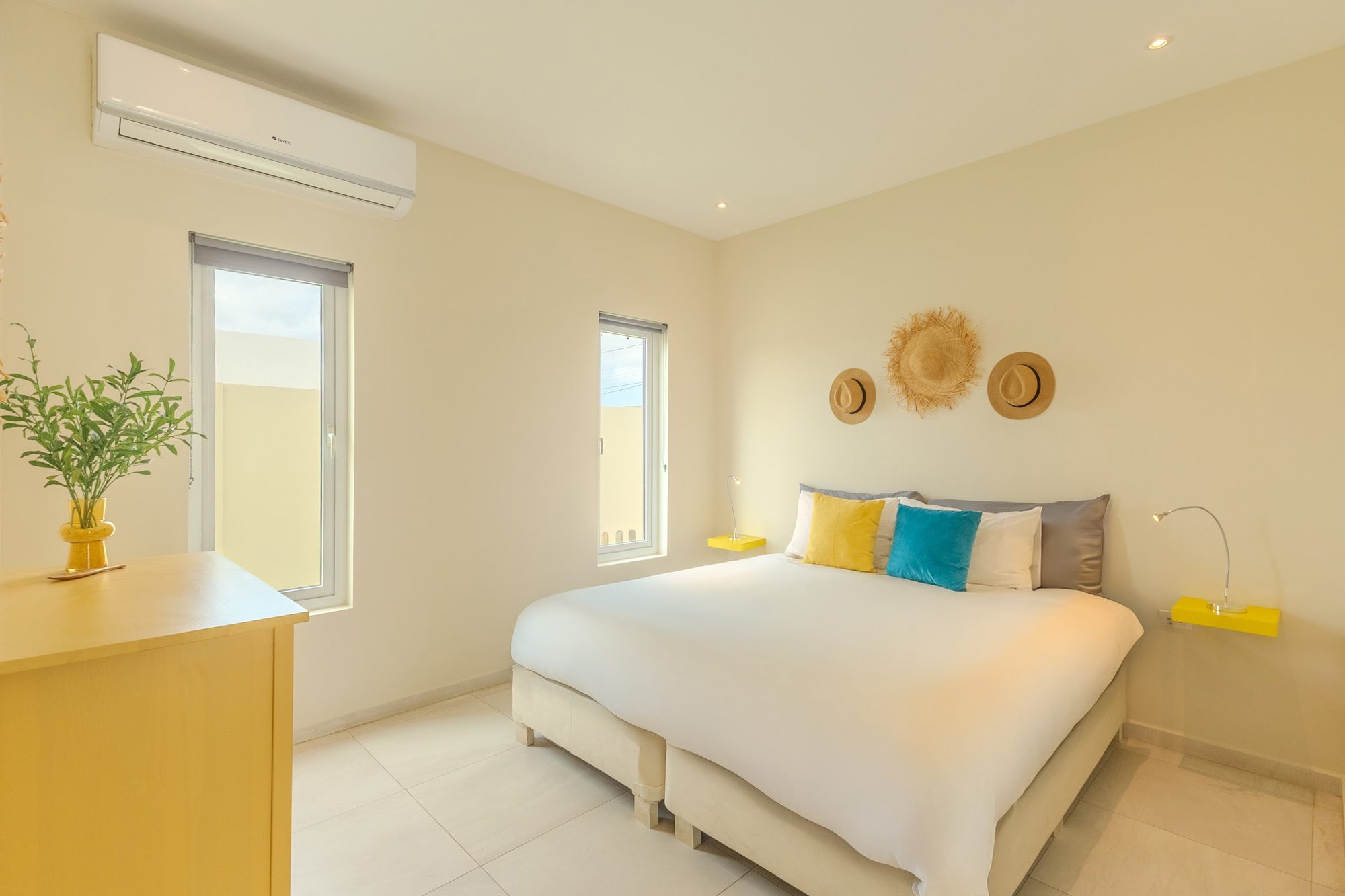 Saltwater pool
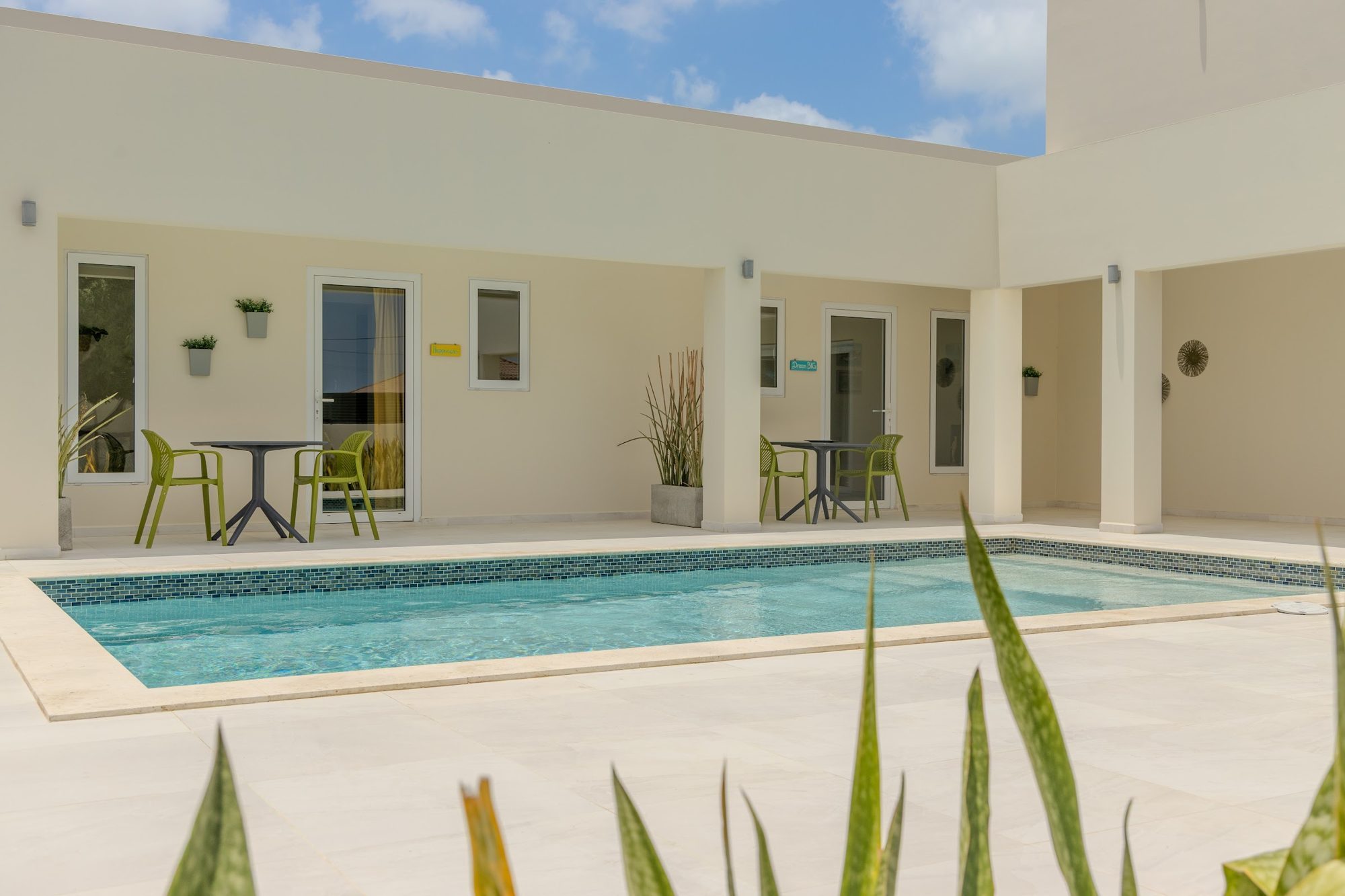
Hideout Dream Big Suite
Adults only, private patio onto the pool garden From $99 per night, direct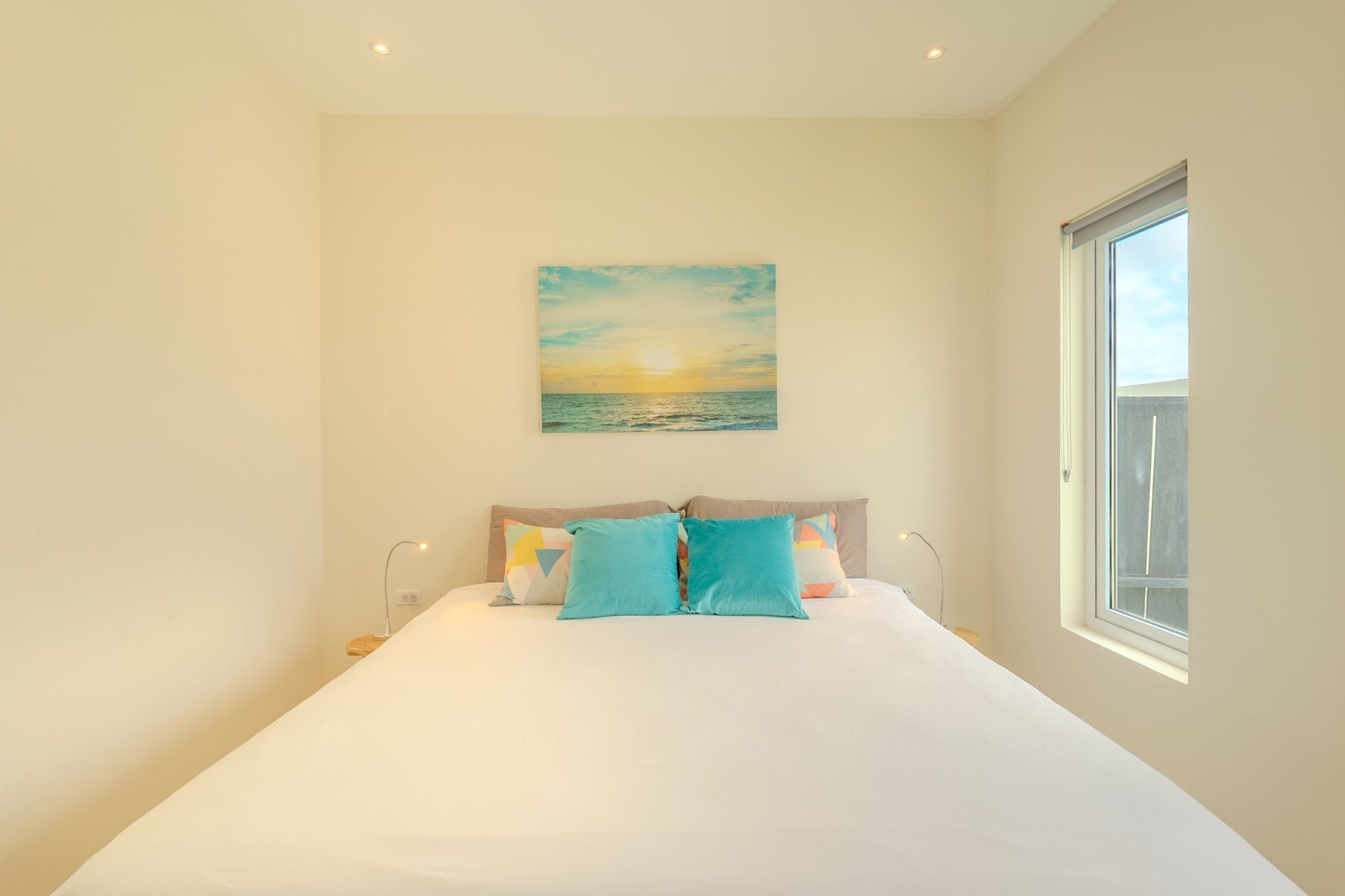 Pool view
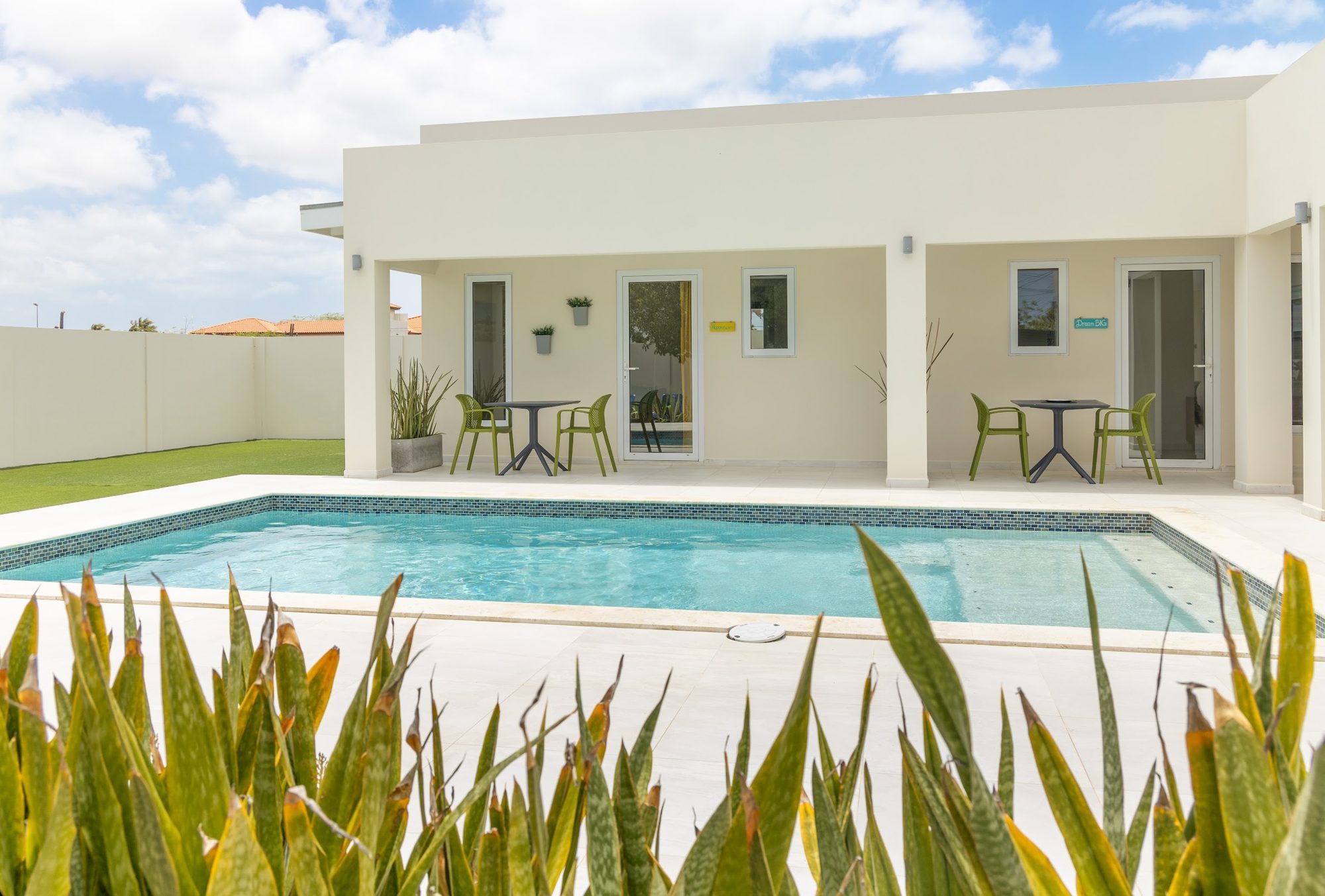
Hideout Happiness Suite
Private patio with pool view From $99 per night, directMore on practical.
Aruba Airport Guide: Arrival, Taxis and US Preclearance
Aruba airport explained by a local host: arrival timing, official taxi rates to Palm Beach and Eagle Beach, rental desks, and why US flights need three hours.
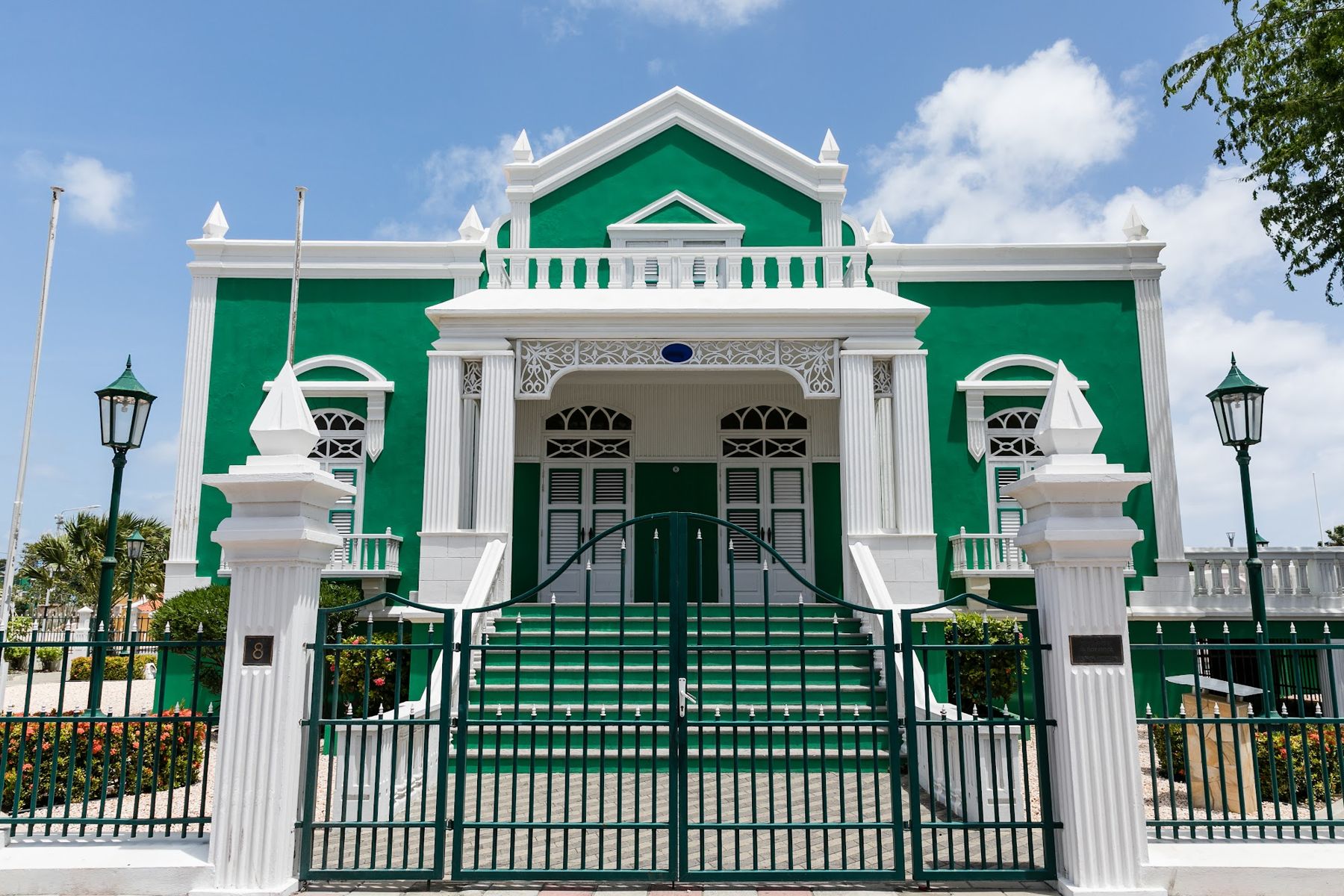
Aruba Cruise Port: Nearest Beaches and a Day Plan
Aruba cruise port guide from a local host: the walk to Surfside Beach, taxi and bus to Eagle Beach and Palm Beach, the free tram and a half day plan that works.
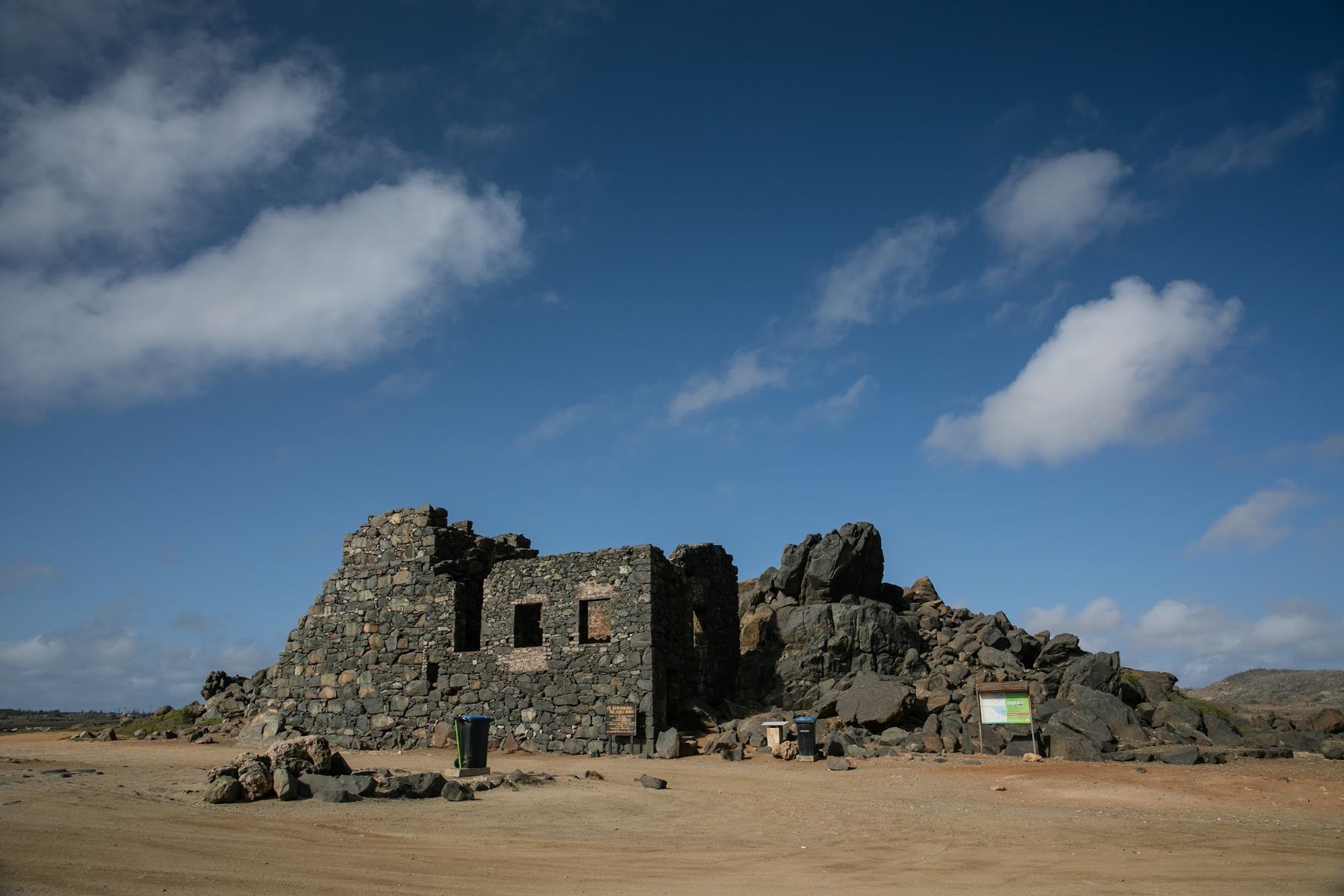
Aruba Currency: Florins, Dollars, Cards and ATMs
Aruba currency explained by a local host: the florin, the fixed 1.79 rate, where US dollars work, cash only places, ATMs, cards, service charges and tipping.