
Aruba Food Itinerary: 4 Days for Food Lovers
Aruba food in four days, from a local host: pastechi windows, Zeerover fish on the pier, keshi yena, food trucks, Dutch pancakes, San Nicolas, a chef's table.
 By Ghislaine de Windt, your host in Noord · 7 min read · Updated October 2026
Aruba food comes in layers: Arawak corn, Dutch cheese, Venezuelan fish boats, Trinidadian refinery workers, Chinese snack bars, and now a line of good chefs on the strip. Four days is enough to eat through all of it if you plan around the kitchen hours and the Sunday closures. Ghislaine’s version, with the fish bought from the truck and cooked on the terrace on the last night.
What food is Aruba known for?
Fresh fish first: mahi, wahoo and red snapper, with funchi (firm cornmeal) and pan bati (a slightly sweet flatbread). Then keshi yena, a Gouda shell baked with spiced chicken, raisins and olives. Stoba, the goat or beef stew. Pastechi for breakfast. The Dutch layer: Gouda, pannenkoeken, croquettes, hagelslag. And in San Nicolas, roti, curry and pelau from the Trinidadian refinery years. The four days below hit all of it.
Day 1: the strip and the farmhouse
Morning. Breakfast at home with bread from Super Food Plaza’s bakery and a wedge of young Gouda. Then the beach until 11; this is still a holiday.
Afternoon. Lunch on the Palm Beach strip at one of the beach front cafes. Then the first lesson in local food: the Pastechi House on Caya Betico Croes in Noord at 3 pm, a cheese pastechi and a beef one, eaten in the car. Under $5 for both.
Evening. The Old Cunucu House in Noord, a 150 year old farmhouse. Order keshi yena (a hollowed Gouda baked with spiced chicken, raisins and olives), a stoba of goat or beef, and the catch of the day with creole sauce, funchi and pan bati. Mains $20 to $35. This is the baseline for the rest of the trip.
Day 2: fish, from the pier to the terrace
Morning. Drive to the Oranjestad harbour by 8 and look for the fishermen’s trucks along L.G. Smith Boulevard: red snapper, wahoo steaks, mahi, sometimes lobster. Buy for tonight, have it cleaned, cash. Then coffee on Wilhelminastraat, where the cafes are the best on the island, and a walk through the Dutch facades to Fort Zoutman.
Afternoon. Drive 25 minutes south to Savaneta for lunch at Zeerover: the catch of the morning fried in front of you, sold by weight, with shrimp, plantain, funchi and a Balashi, at picnic tables on the fishing pier. Cash only, kitchen 11 am to 9 pm, closed Mondays. Twenty minutes on, Mangel Halto for a digestion snorkel.
Evening. Your fish, your grill, your terrace. Olive oil, lime, salt, a pan bati from the supermarket, a bottle from Super Food Plaza’s wine aisle. The best meal of the trip costs $20.
Day 3: Dutch morning, Trinidadian afternoon
Morning. The Dutch Pancakehouse by the Alhambra casino at 9: a bacon and cheese pannenkoek the size of the plate, poffertjes with butter and sugar, stroop on the side. Then Eagle Beach to sleep it off.
Afternoon. Drive 40 minutes south to San Nicolas for the other half of Aruba’s kitchen. Kamini’s Kitchen for Indo Caribbean curry and roti, or O’Niel Caribbean Kitchen for oxtail and pelau from the Trinidad tradition that came with the refinery. Both small, both under $20 a plate, both worth a phone call first for hours. Walk the murals after, and have a beer at Charlie’s Bar, open since 1941, if it is open that day.
Evening. Back north for the food trucks. After 7 pm they open along the main road in Noord near the Super Food Plaza roundabout: churrasco, grilled chicken, hot dogs with everything, batidos. Eat standing up with the locals, $8 to $12 a plate. Then, if you have room, a Chinese snack bar for a plate of bami to share, because that is what Arubans do at 10 pm.
Day 4: the market, the chef, the sunset
Morning. If it is a Saturday, the farmers’ and craft market at the Santa Rosa centre in Santa Cruz, or whichever market Ghislaine says is on that week; produce, local hot sauces, pica di papaya, Aruban cakes. Buy a jar of the sauce and a bag of the Dutch coffee from the supermarket to take home. Otherwise, a last pastechi run and the beach.
Afternoon. Lunch at Local Store behind Palm Beach: half rack of ribs, a mahi sandwich, a cold beer on a picnic table with a crowd that is half local. Siesta.
Evening. The one chef’s table of the trip. Aruba has a strong top end and the names change, so ask Ghislaine for the current best three when you book. The reliable ones over the years: Papiamento in Noord for dinner around the pool of a family cunucu house, the Flying Fishbone in Savaneta with your feet in the water, and the tasting menus at the Eagle Beach hotels (Elements at Bucuti, Ike’s at Manchebo). Book before you fly. Sunset first, from the beach nearest your house.
The rules of eating well on Aruba
- Fish is the point. Ask what came in that morning; mahi, wahoo and red snapper are the usual answers.
- Cash for anything with a pier, a window or a truck.
- A service charge of 10 to 15 percent is often on the bill in restaurants. Look before you add a tip.
- Sunday closes many local kitchens; Monday closes Zeerover. Plan days 2 and 3 around that.
- Balashi is the local beer, brewed with desalinated water; the Chill is its lighter sibling. Both are fine at $3 to $5.
- Tap water is excellent. Order it.
- Bon Bini Festival at Fort Zoutman, Tuesday evenings: local food stalls and dancing, a small entry fee. If one of your four days is a Tuesday, swap it in for the food trucks.
What to bring home
Pica di papaya hot sauce, a bag of Aruban coffee, Dutch stroopwafels from the supermarket (cheaper than the airport), and a bottle of Coecoei, the island’s red agave liqueur, only sold on Aruba.
Stay nearby
All four of our homes have real kitchens and a grill for day 2. Ocean View 2BR on Palm Beach has the strip, Local Store and the Pastechi House on foot or a short drive. The Hideout Dream Big Suite and Hideout Happiness Suite are five minutes from the Dutch Pancakehouse and the Eagle Beach hotel restaurants. Oasis Hideaway in Gold Coast has the terrace and the pool for the fish dinner. See all four at /stays/.
Questions people ask
What food is Aruba known for?
Fresh fish (mahi, wahoo, red snapper) with funchi and pan bati, keshi yena (stuffed Gouda), stoba stews, pastechi pastries, and the Dutch influence: Gouda, pancakes, croquettes. Plus a strong Trinidadian and Indo Caribbean thread in San Nicolas.
Where do you buy fresh fish in Aruba?
From the fishermen's trucks along L.G. Smith Boulevard near the Oranjestad harbour in the mornings, and sometimes in Savaneta. Cash, cleaned on request. Super Food Plaza has a counter too.
Is food expensive in Aruba?
On the Palm Beach strip, yes: $25 to $45 mains plus service. Local kitchens, fish shacks and food trucks run $8 to $25 a plate. Cooking at home with supermarket fish is cheaper still.
What is funchi?
Cornmeal cooked firm, like polenta, cut into slices and often fried. It comes with fish and stoba everywhere on the island. Pan bati is the slightly sweet flatbread served alongside.
Stay nearby.
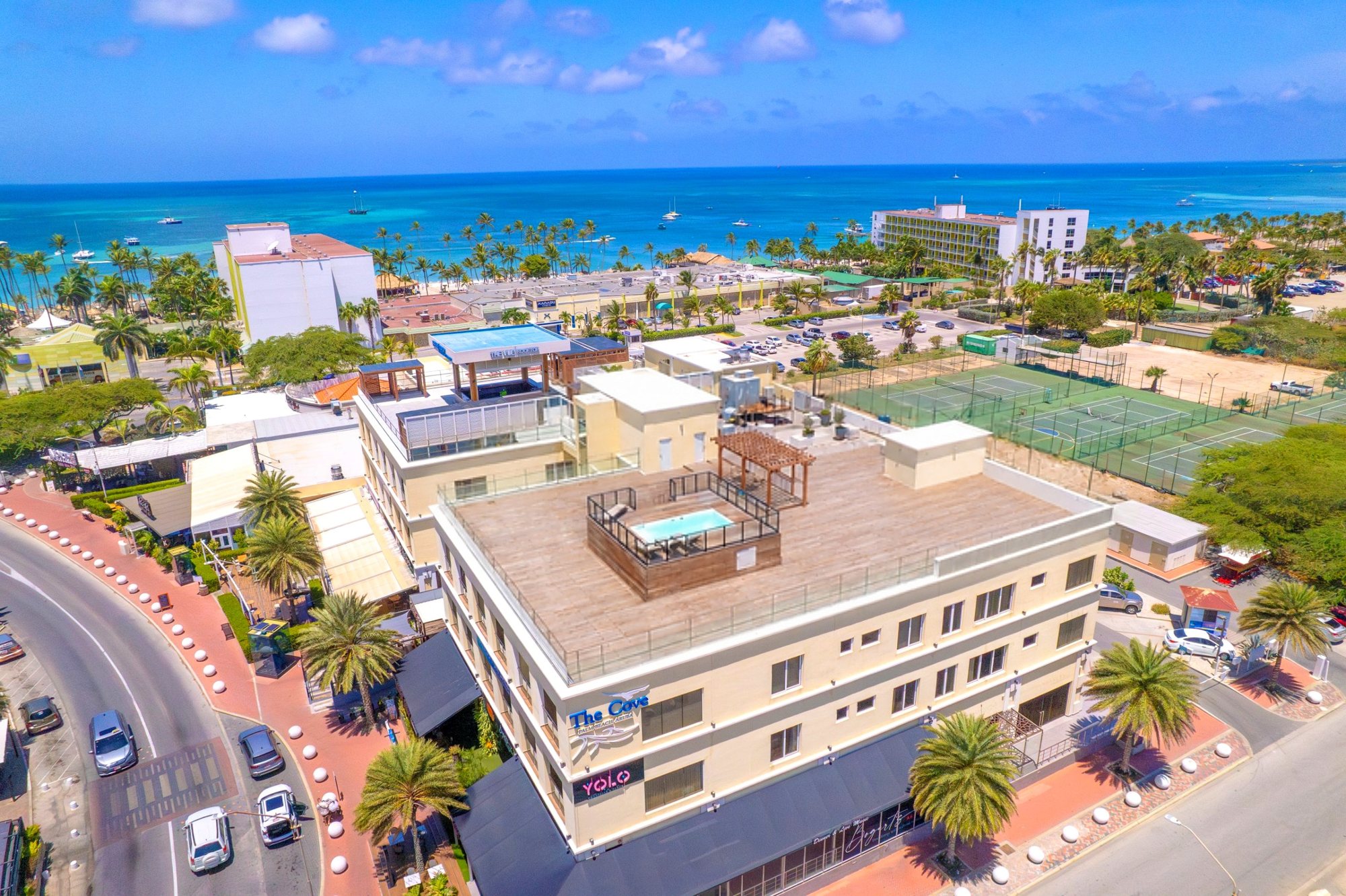
All stays Rooftop pool 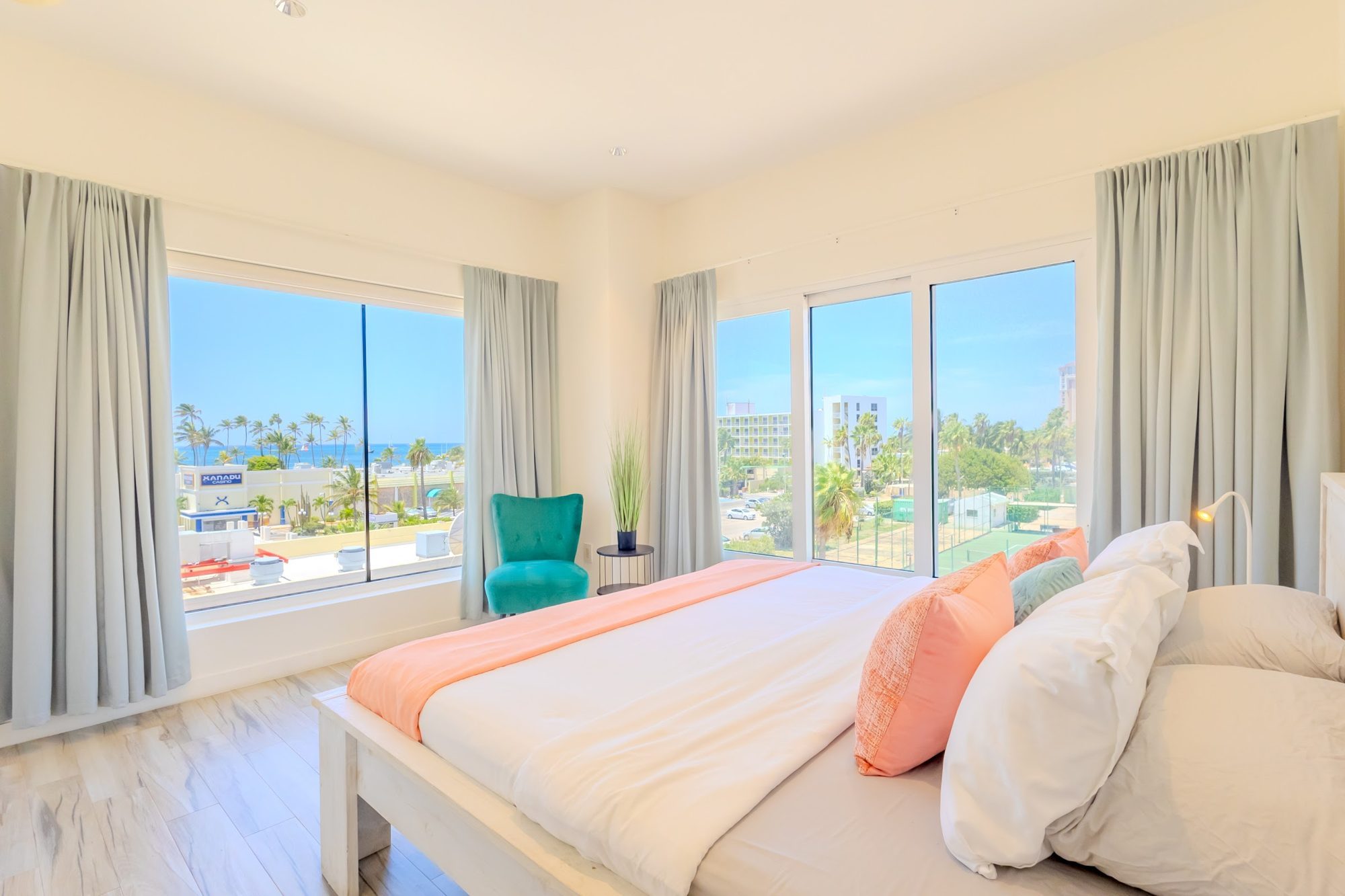
Ocean View 2BR
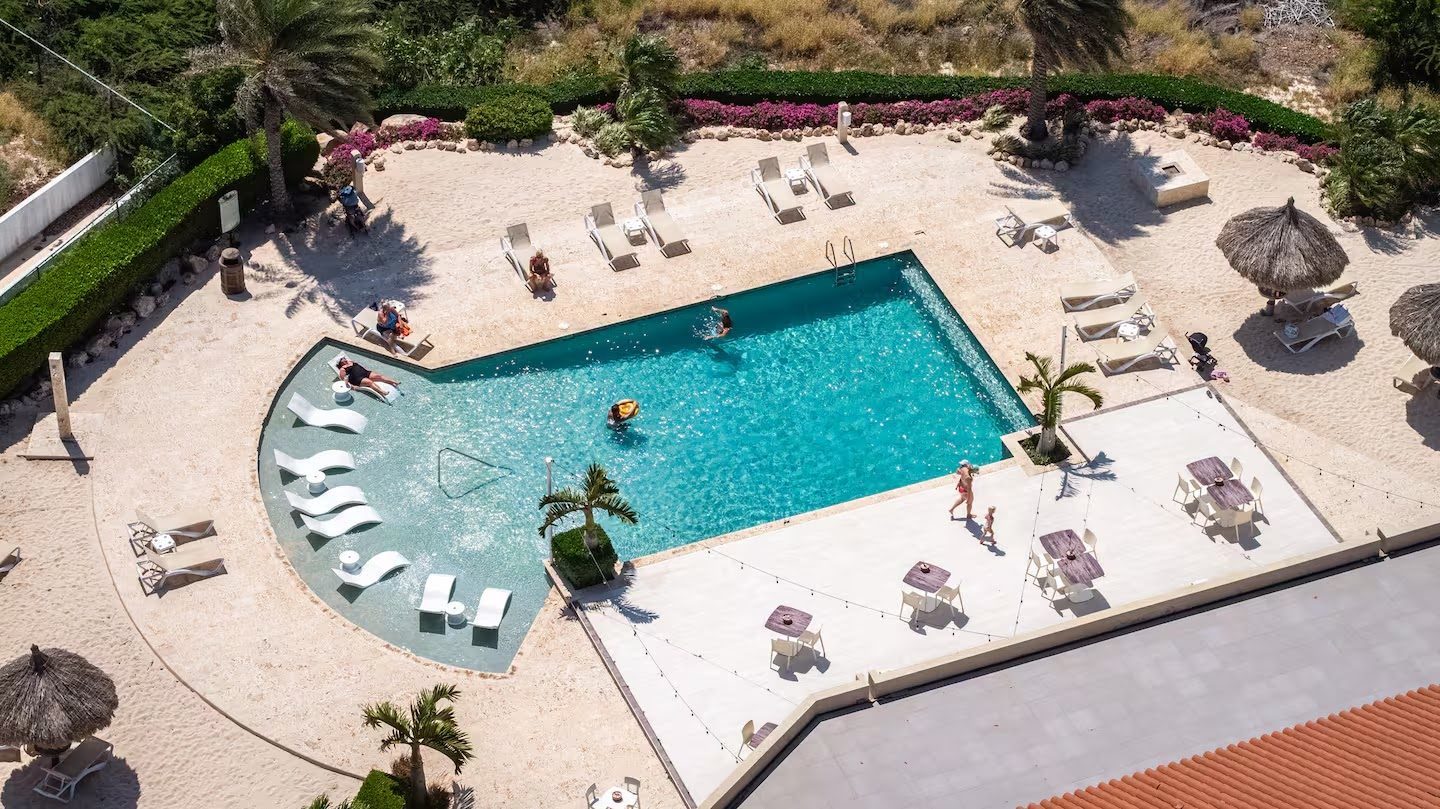
Sea view from your bed, rooftop pool at The Cove From $210 per night, direct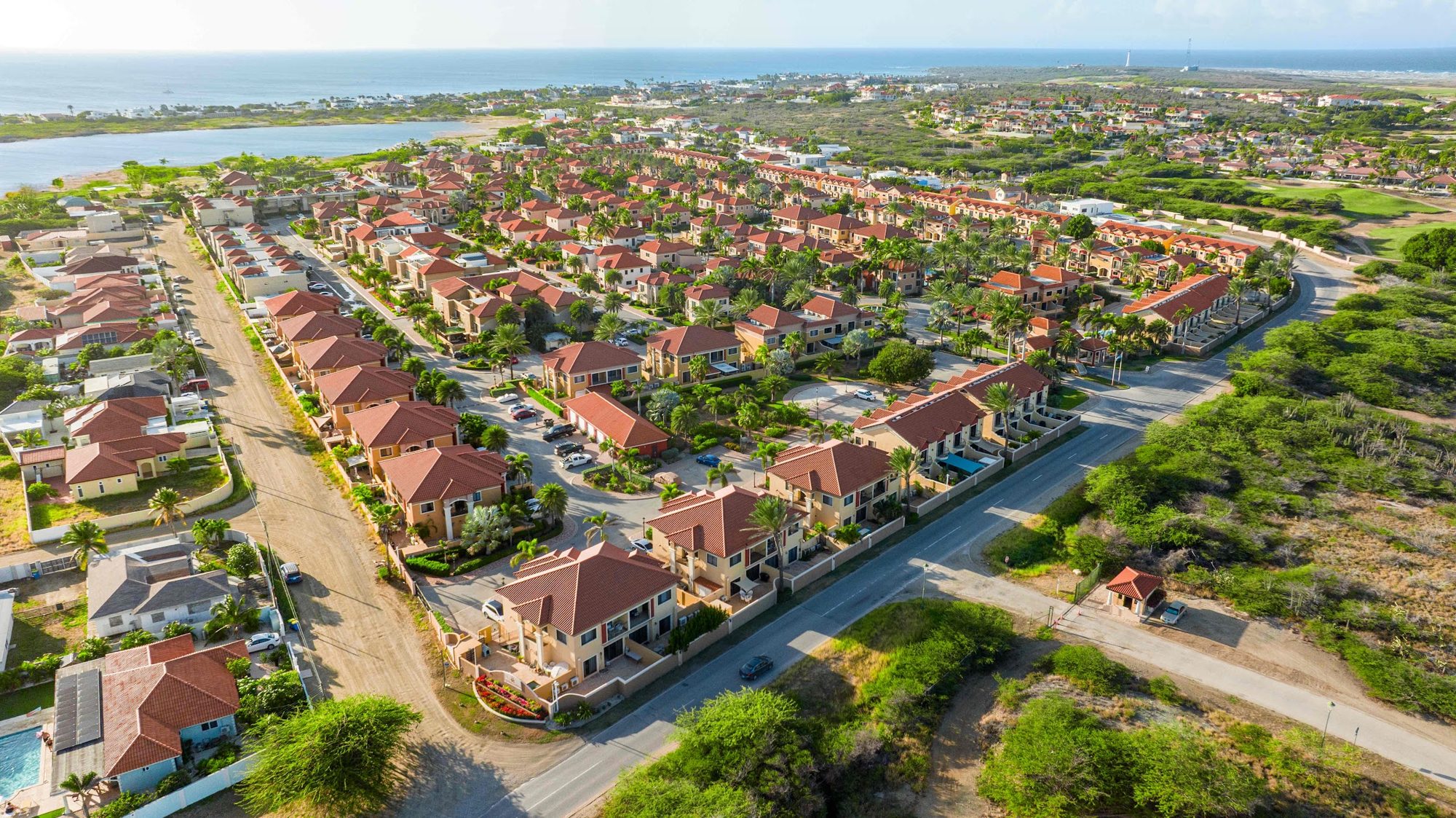 Gated community
Oasis Hideaway
Three pools, gym and tennis inside the gates From $110 per night, direct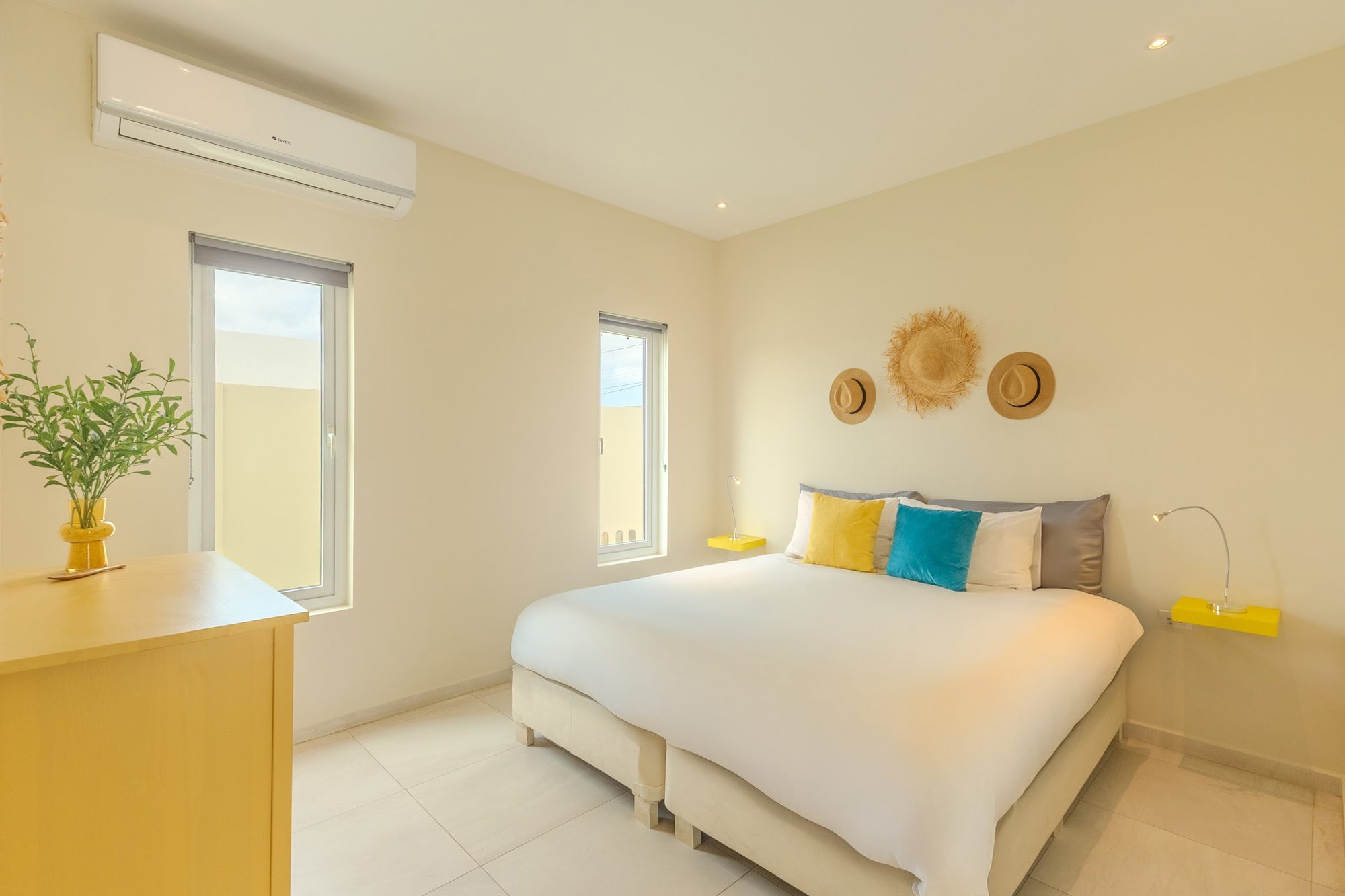 Saltwater pool
Hideout Dream Big Suite
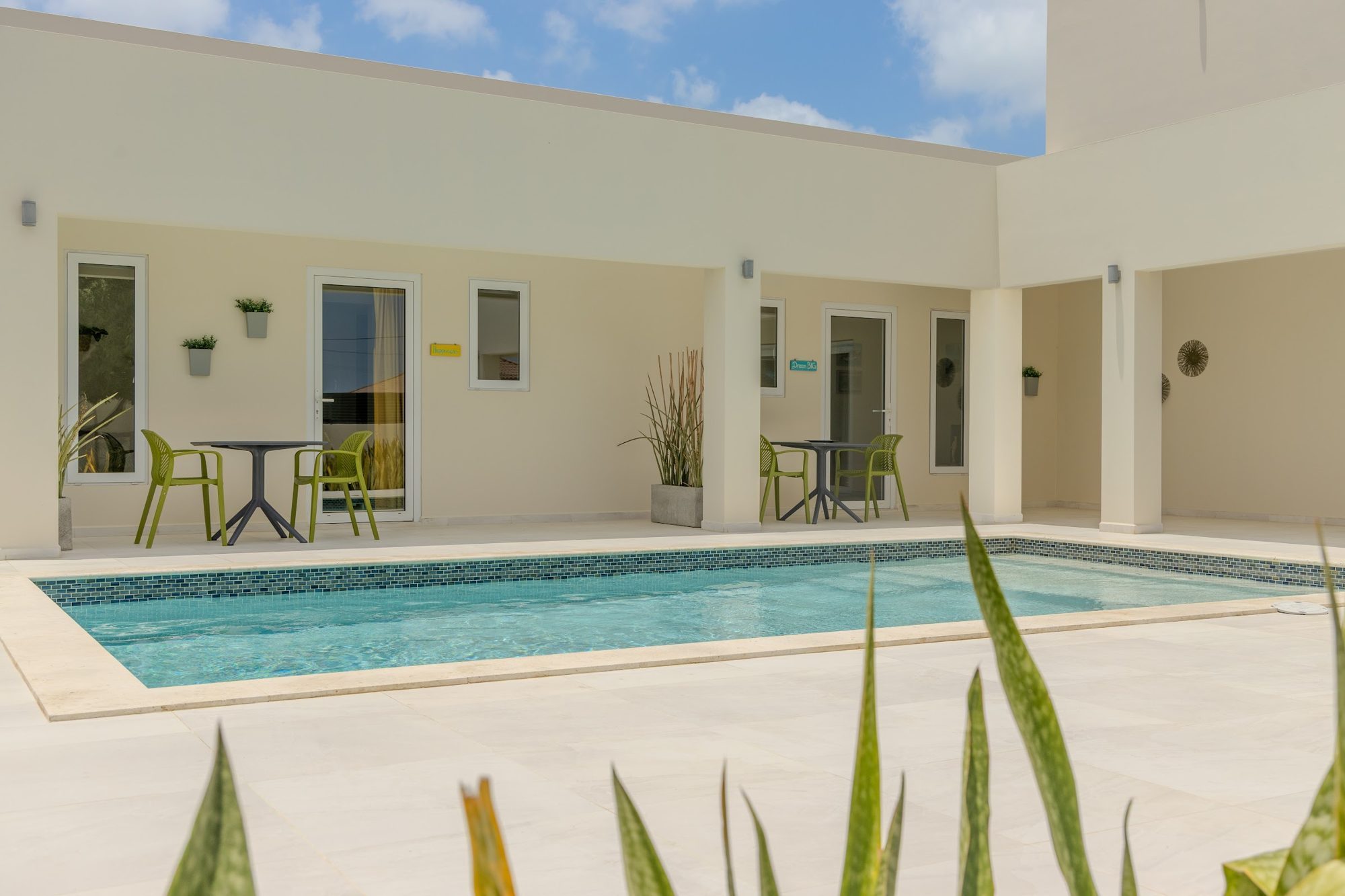
Adults only, private patio onto the pool garden From $99 per night, direct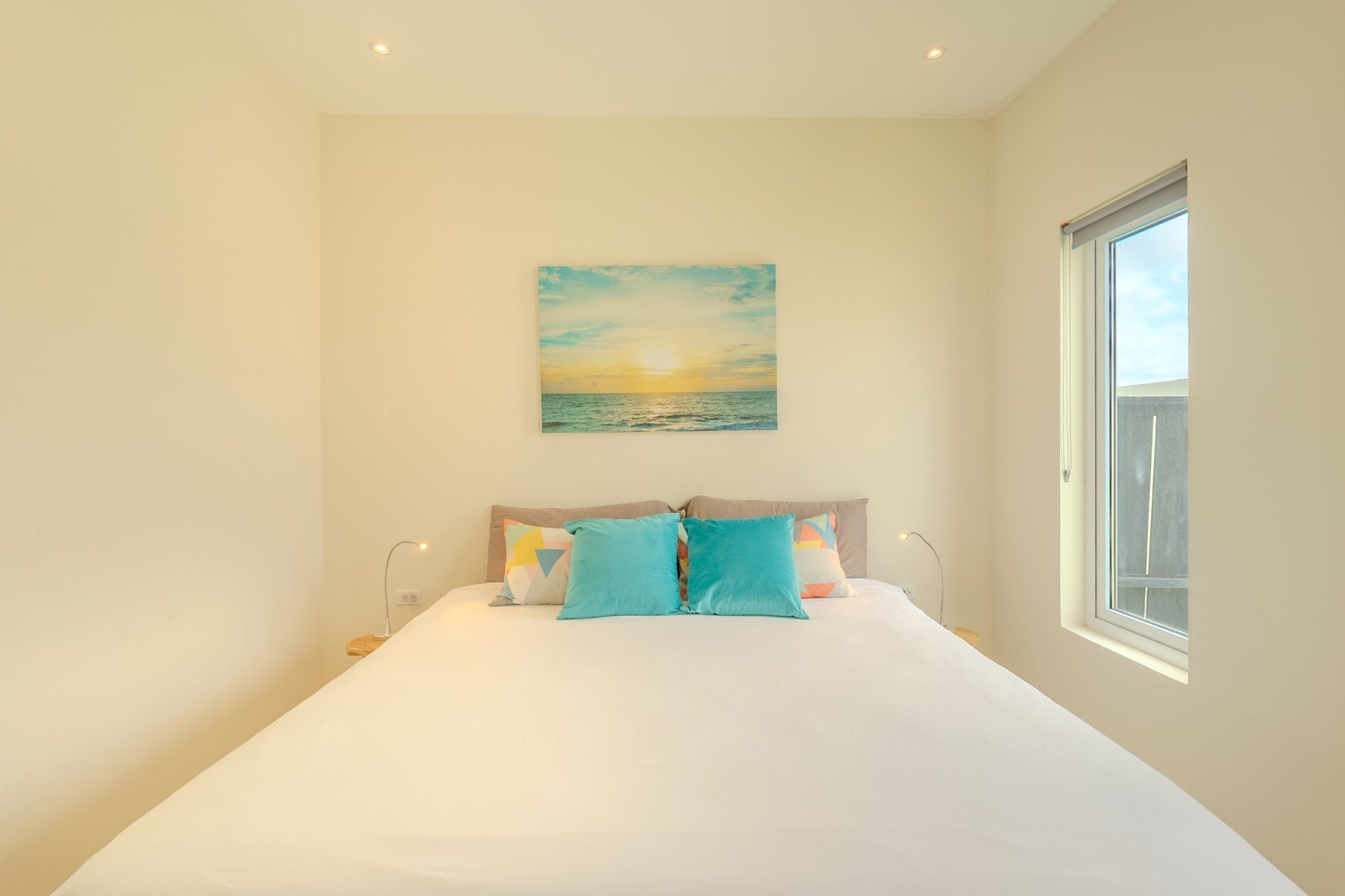 Pool view
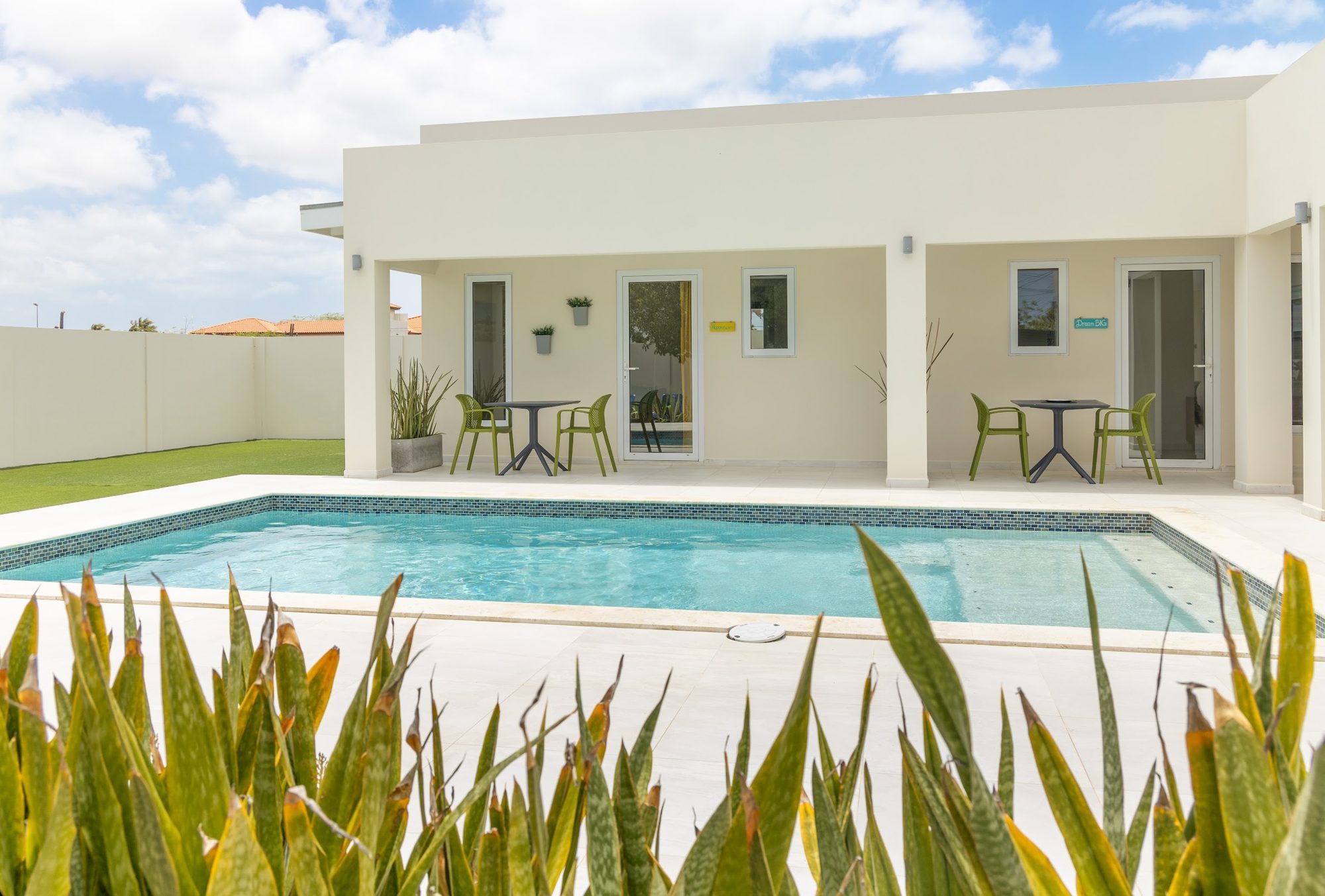
Hideout Happiness Suite
Private patio with pool view From $99 per night, directMore on itineraries.
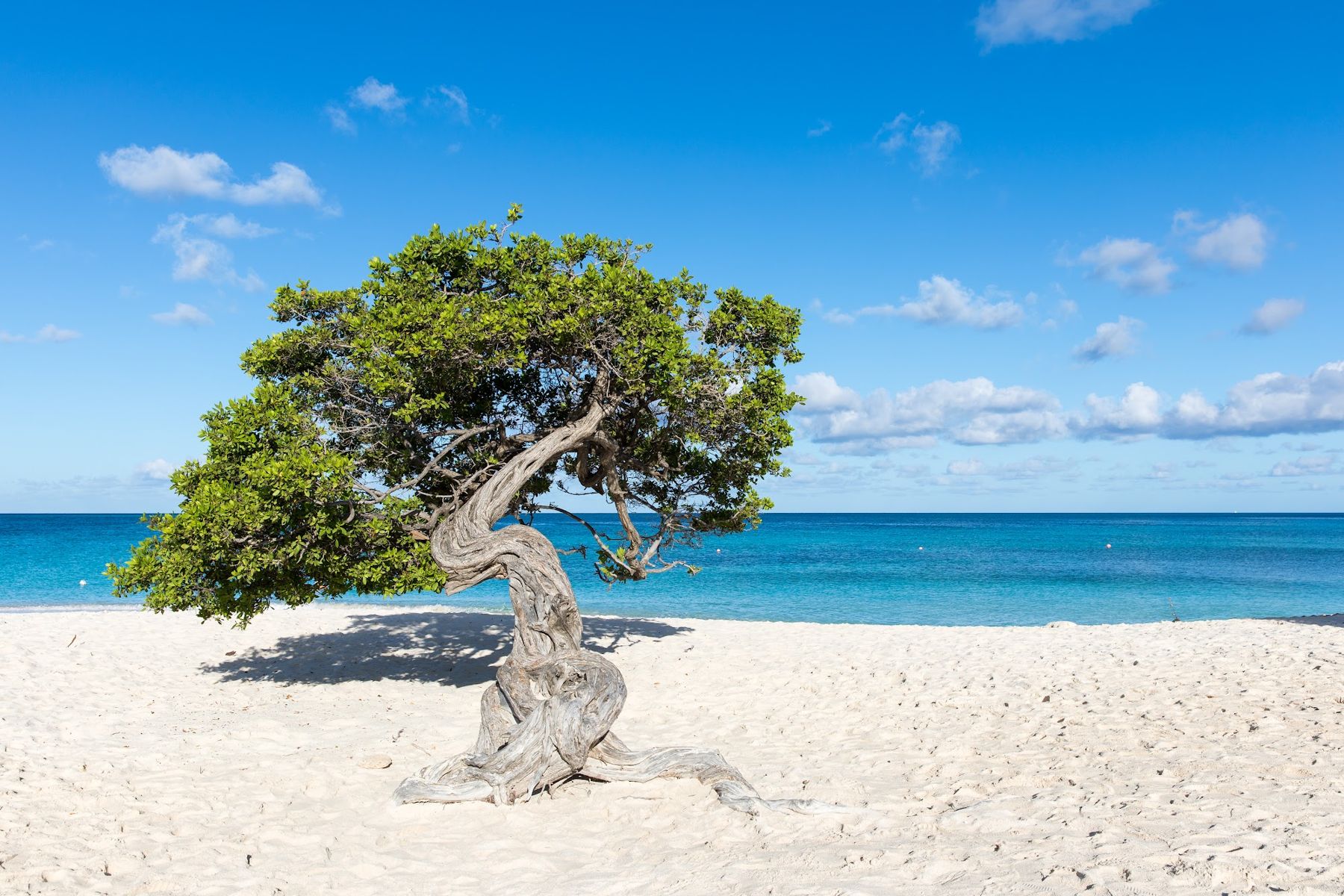
Aruba Honeymoon: Where to Stay and What to Book
Aruba honeymoon planning from a local host: adults only suites near Eagle Beach, a private pool option, the two beach dinners, a sunset sail and a 5 night plan.
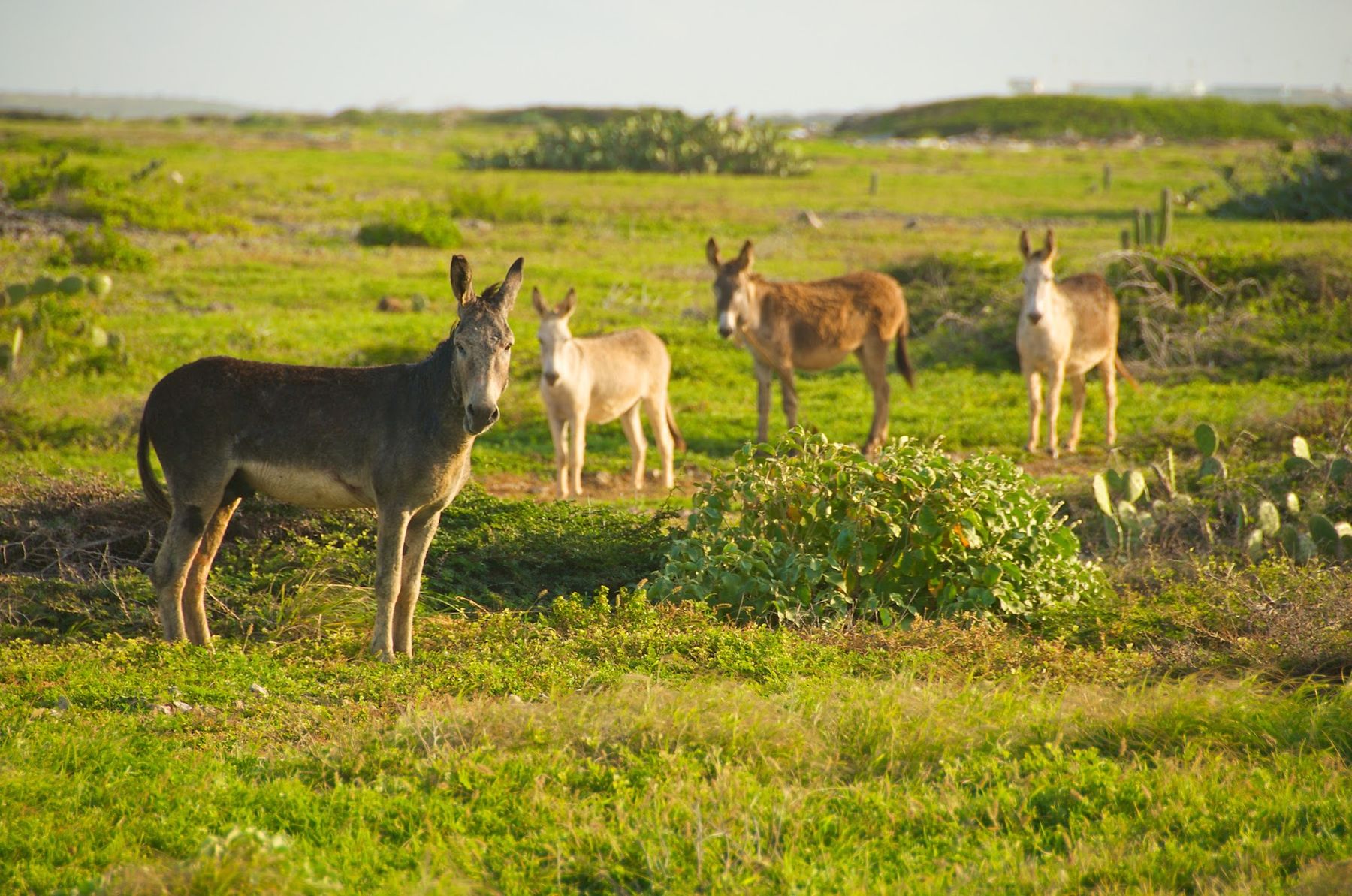
Aruba With Kids: A 5 Day Family Itinerary From a Host
Aruba with kids: a five day family itinerary from a local host. Baby Beach, Butterfly Farm, Donkey Sanctuary, Arashi, De Palm Island and early bedtimes.
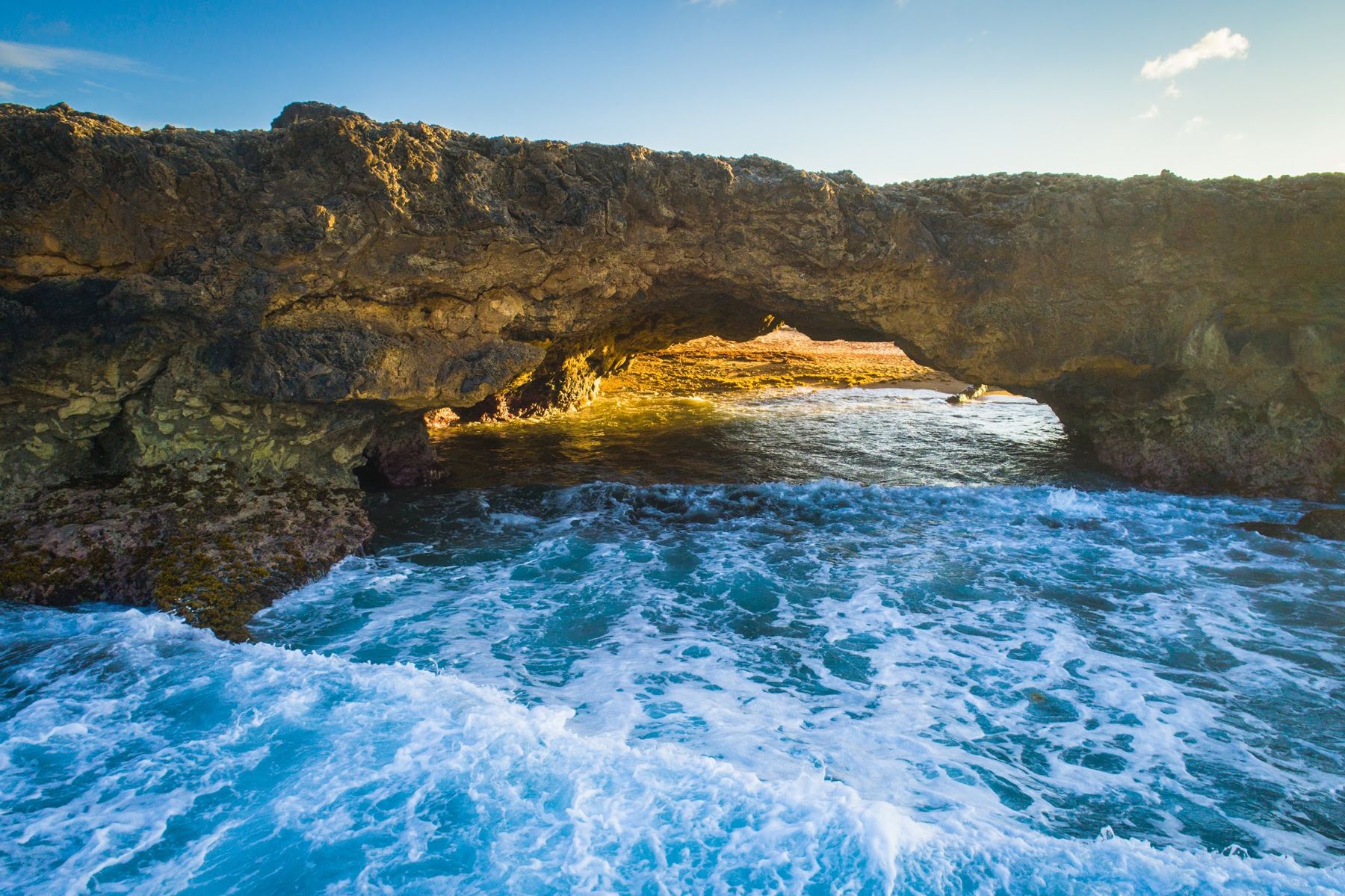
Aruba for Couples: 3 Days, Honeymoon or Long Weekend
Aruba for couples: a three day itinerary from a local host, honeymoon ready. Eagle Beach mornings, Tres Trapi turtles, lighthouse sunsets, dinner in the sand.